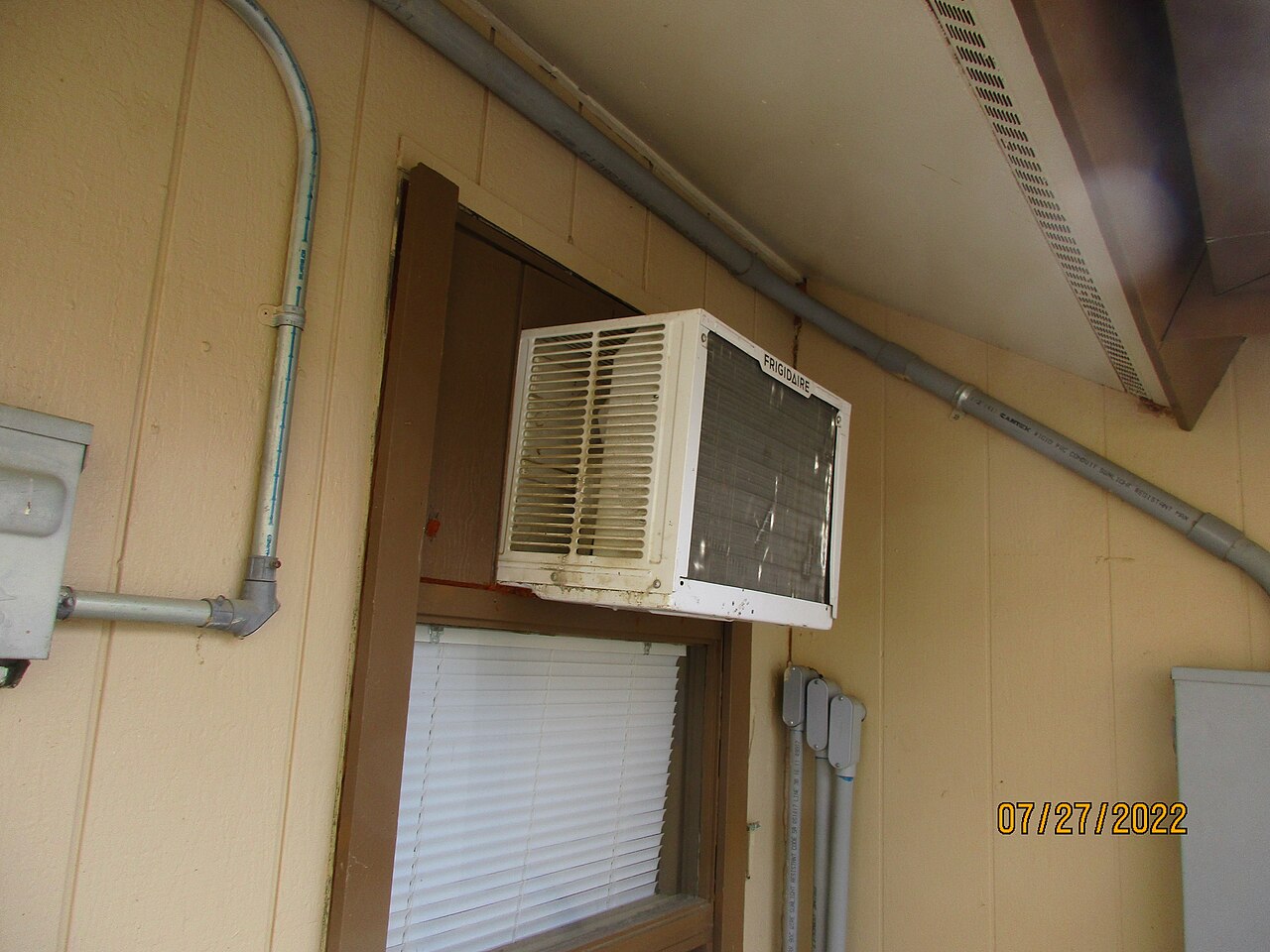
The first true summer electric bill of the year has landed in DFW mailboxes, the one that reflects a full month of the air conditioner running from breakfast to bedtime. For a lot of households, especially older residents on fixed incomes keeping the thermostat safe in a Texas July, that envelope is the scariest mail of the season. What many of them do not know is that Texas runs a standing program built for exactly this bill.
It is called the Comprehensive Energy Assistance Program, or CEAP, and it is not a one-time pandemic-era fund or a charity drive. It is the state’s permanent, federally funded utility assistance program, and it pays real money toward the electric and gas bills of income-qualified Texans every year. Here is how it works and how to get to the front of the line in Dallas, Tarrant and the surrounding counties.
What CEAP is
CEAP is Texas’s version of the federal Low Income Home Energy Assistance Program, administered statewide by the Texas Department of Housing and Community Affairs. TDHCA does not hand out the money itself. It funds a network of local agencies, community action agencies, county departments and nonprofits, that collectively cover all 254 Texas counties. Your application, your documents and your assistance all go through the agency that serves your county. In Dallas County, for example, the county’s own health and human services department runs a CEAP office for residents.
The help comes in more than one form. The core of the program pays toward a household’s energy bills across the year. On top of that sits crisis assistance for households facing a disconnection or dangerous conditions in extreme weather, and the program pairs with energy education and, through a sister program, weatherization improvements that cut the next bill instead of just paying the last one.
Who qualifies
Eligibility is based on gross household income measured against the federal poverty guidelines; TDHCA publishes the current cutoffs on its income guidelines page, with eligibility set at or below 150 percent of the poverty level. The practical translation: this program reaches working households, not only those on public assistance. A retiree on Social Security, a single parent working retail, a couple on disability, all commonly qualify. If your income has dropped recently, agencies look at current circumstances, so do not disqualify yourself based on last year’s earnings.
Within the eligible pool, the program directs agencies to prioritize the households where heat and cold do the most damage: those with members who are elderly, those with disabilities, families with young children, and households whose energy costs eat the largest share of their income. If that describes your house, say so plainly on the application, because it affects how quickly and how generously your case is handled.
Renters can apply, not just homeowners, and it does not matter whether your bill comes from a competitive retail provider in Oncor territory or a municipal utility. The assistance is paid toward your account with whoever bills you for energy.
How to apply in DFW
The route in is TDHCA’s Help for Texans lookup. Choose the utility bill payment help option, enter your city or county, and it returns the agency that holds the CEAP contract for your area, with contact information. Because the program runs through different agencies in different counties, your neighbor across the county line may apply somewhere entirely different than you do; the lookup sorts that out in seconds. Dialing 2-1-1 gets you to the same answer by phone if the internet is not your thing, and it can surface additional local utility assistance funds alongside CEAP.
Expect the agency to ask for documentation: identification, proof of income for household members, and copies of your recent utility bills. Gathering those before you call shortens the process considerably. Demand for the program is heaviest exactly when the bills are, midsummer and midwinter, so apply as soon as trouble is visible on the horizon rather than the day of a disconnection notice.
If the disconnection clock is already ticking
A shutoff notice changes the playbook but does not end it. Tell the CEAP agency immediately that you have a disconnection date, because crisis assistance exists for precisely that situation and agencies can move faster on it. Call your electric provider too and ask for a deferred payment plan; providers in the competitive market offer them, and being enrolled in a payment plan protects your service while assistance is processed. Households with medical equipment or serious health conditions should also ask their provider about critical care designation, which adds procedural protections before any disconnection.
Pair the payment with a smaller next bill
The smartest use of CEAP is as a bridge, not a habit, and the state agrees: the same TDHCA network runs weatherization assistance that can add insulation, seal ducts and address inefficient cooling in qualifying homes at no cost, and TDHCA publishes free home weatherization tips anyone can use this week. Ask the agency handling your CEAP application whether your household can be screened for weatherization at the same time. Paying July’s bill matters; making August’s bill smaller is the part that compounds.
There is no shame in this program. It exists because Texas summers are a health hazard priced by the kilowatt-hour, and the state would rather help pay the bill than see people cook in their own living rooms with the AC off. If the math on this month’s envelope does not work, make the call.
This article was produced with AI assistance and reviewed by a human editor. Figures are linked to their primary sources; where a claim could not be verified from the public record, we say so.

Leave a Reply