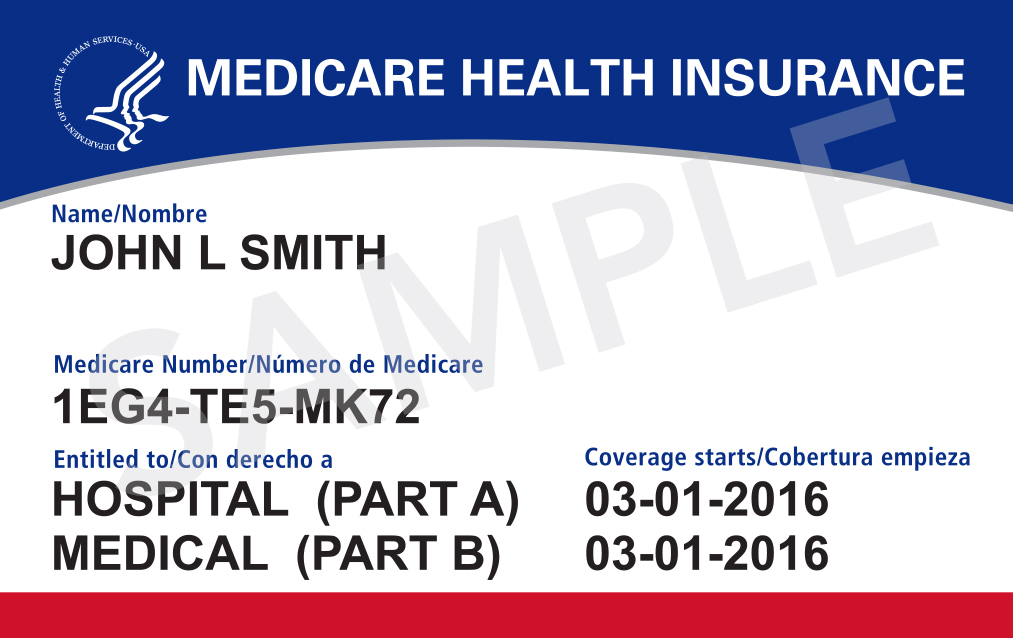
If you are on Medicare in Dallas or Fort Worth, look at your Social Security deposit sometime. Before that money ever reaches your bank, $202.90 comes out for the Medicare Part B premium. That is the standard 2026 rate set by CMS, and over a year it adds up to about $2,435, real money for anyone stretching a fixed income across North Texas rent, groceries and summer electric bills.
What a lot of older Texans never hear: the state runs programs that pay that premium for you. They are called Medicare Savings Programs, they are administered by the Texas Health and Human Services Commission, and if you qualify, the $202.90 stops coming out of your check and your Social Security deposit goes up by that amount. Here is how the three main programs work and how to apply.
The three programs, in plain English
Texas HHSC runs three main Medicare Savings Programs, and they stack like steps on a ladder. Which one you land on depends on your income.
QMB (Qualified Medicare Beneficiary) is the most generous, for the lowest incomes, roughly at or below the federal poverty line. QMB pays your Part B premium and your Medicare deductibles and coinsurance. If you are in QMB, doctors and hospitals are not allowed to bill you for Medicare-covered cost sharing at all, a protection spelled out on Medicare.gov’s savings-programs page (linked below).
SLMB (Specified Low-Income Medicare Beneficiary) is the next step up the income ladder, for people a bit above the poverty line. It pays the Part B premium only.
QI (Qualifying Individual) sits one more step up. It also pays the Part B premium only, with one extra wrinkle: you cannot be on regular Medicaid at the same time.
Even the premium-only programs are worth the paperwork. Having the state pick up $202.90 a month is the single easiest raise available to a Texan on a fixed income.
The income and asset tests
Each program has a monthly income limit tied to the federal poverty level, and HHSC publishes the current dollar figures in Appendix IX of its Medicaid handbook, with separate limits for individuals and couples. The limits reset every spring when the new federal poverty figures take effect, so we would rather point you at the live table than print a number that goes stale.
Two features of the test work in your favor. First, HHSC disregards the first $20 of monthly income before comparing you to the limit, so being a few dollars “over” on paper may not disqualify you. Second, while there is also a resource limit (bank accounts, CDs, stocks and similar countable assets), the big things are excluded: your homestead does not count, your car does not count, and neither do burial spaces or modest life insurance. Plenty of North Texans who own their home outright assume they earn or own too much and are wrong.
What counts as income is broad (Social Security, pensions, wages, interest, veterans benefits), so gather your award letters before you apply and let HHSC do the math rather than screening yourself out at the kitchen table.
The quiet bonus: prescription help comes with it
Qualifying for any Medicare Savings Program automatically qualifies you for Extra Help, the federal program that lowers Medicare Part D prescription drug costs: reduced premiums and capped copays at the pharmacy counter. You do not file anything separate; it comes with the package. For someone on several maintenance medications, this piece can be worth as much as the premium itself.
How to apply in North Texas
There are three ways, and none requires a trip downtown.
Online: YourTexasBenefits.com is HHSC’s application portal for these programs. You can apply, upload documents from your phone, and check status there.
By phone: dial 2-1-1 (option 2 after picking a language) and ask for a Medicare Savings Program application. Staff can mail you the paper form and answer eligibility questions.
With help: if the forms feel like a second job, free unbiased counselors through the state’s Health Information, Counseling and Advocacy Program work at area agencies on aging across Dallas, Tarrant and the surrounding counties. The 2-1-1 line can connect you to the nearest one.
Have handy: your Medicare card, Social Security award letter, pension statements, and recent bank statements. If you are married, the couple limits apply when both of you seek the same program.
Worth fifteen minutes, even if you think you won’t qualify
Federal figures have long shown that large numbers of eligible seniors never enroll in these programs, mostly because they have never heard of them. The test costs nothing but a form. If the answer is yes, your Social Security check grows by $202.90 a month, your $283 annual Part B deductible may be covered too depending on the program, and cheaper prescriptions ride along automatically. If the answer is no, you have lost fifteen minutes.
And if a caller or door-knocker offers to “enroll” you in one of these programs for a fee: hang up. HHSC never charges to apply, and neither does 2-1-1.
This article was produced with AI assistance and reviewed by a human editor. Figures are linked to their primary sources; where a claim could not be verified from the public record, we say so.

Leave a Reply