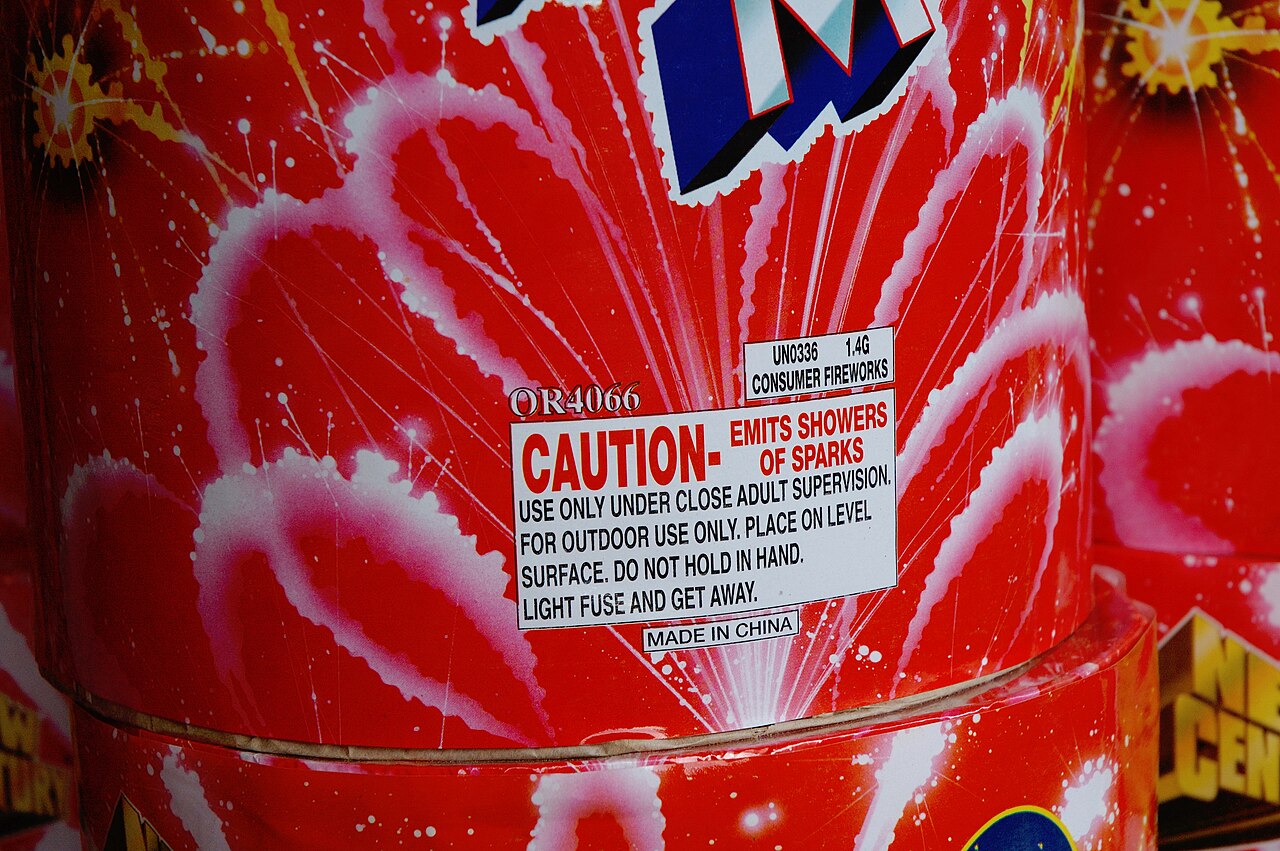
Starting today, the plywood stands along the highways at the edge of the metro swing open their shutters, and the folding-table megastores off I-35E and US 380 start doing the briskest ten days of business they will see all year. Under state law, the summer retail fireworks season begins June 24, and because the Fourth falls on a Saturday this year, the State Fire Marshal’s published calendar runs the selling window all the way through 11:59 p.m. on July 5.
Here is the part the stands will not put on the banner: for most people reading this, buying the fireworks is perfectly legal, and lighting them at home is not. The gap between those two facts produces thousands of citations across DFW every July. This is how the rules actually work, so you can enjoy the holiday without funding your city’s fine revenue.
Why the stands are legal even where the fireworks aren’t
Fireworks retailing in Texas is regulated by the State Fire Marshal’s Office at the Texas Department of Insurance, which licenses the industry and permits every retail location under Chapter 2154 of the Occupations Code. The stands you see are almost always sitting just outside a city limit line on purpose: state law lets them sell there during the season, and cities generally cannot stop sales beyond their borders. So the stand on the county road is legitimate, permitted and inspected. What happens after you drive the bag home is a separate legal question, and it is answered by your city’s ordinances, not by the stand’s permit.
Inside Dallas, Fort Worth and Arlington: a $2,000 answer
Dallas Fire-Rescue’s holiday guidance is blunt: fireworks are illegal in the city of Dallas, and the prohibition extends up to 5,000 feet beyond the city limits, with fines that can reach $2,000. That covers possessing and storing them, not just lighting them, so the box in your trunk can be a violation before a single fuse burns.
Fort Worth’s rules are the same in substance. The city’s fire department states that the possession, manufacture, storage, sale, handling and use of fireworks are prohibited by ordinance inside Fort Worth. Arlington bars fireworks through its city code as well, and nearly every suburb in between, from Garland to Grand Prairie to Plano, has a similar ordinance on the books. The safe assumption anywhere in the urban core of the metro is simple: if you are inside a city, home fireworks are illegal unless your city says otherwise in writing.
Where you actually can light them
The legal territory is unincorporated county land, the rural patches outside any city’s limits, and the practical checklist is short. You need to be on property where you have the owner’s permission; shooting fireworks on public roads is not allowed. State law adds its own buffer rules through Chapter 2154, including bans on firing them within 600 feet of a church, hospital or school and within 100 feet of a place where fireworks are sold. And keep an eye on drought: county commissioners can restrict certain aerial fireworks when conditions are dry, so a burn-ban summer can shrink what is legal even out in the country. If you are unsure whether a spot is inside a city, that is worth settling before the holiday, because “I didn’t know it was in the city limits” has never gotten a citation dismissed.
If you do celebrate at home, out where it’s legal
The safety basics are not decoration; they map directly onto how North Texans get hurt every July. Buy only from a permitted stand, keep a water bucket or charged hose at hand, light one item at a time, and never let small children handle anything with a fuse, including sparklers, which burn hot enough to cause serious injuries. Duds are for drowning, not relighting. When the show ends, soak the spent casings in water before they go in the trash; Fort Worth’s fire department publishes the same disposal advice for a reason, since smoldering leftovers in a garbage cart have started more than one garage fire.
The easier answer: let the professionals do it
The metro is not short of legal fireworks. The big public shows, from Fair Park to Fort Worth’s downtown celebration to nearly every suburb’s city-run display, are staged by licensed pyrotechnicians under permits, and they are free to watch. If your neighborhood sounds like a war zone anyway on the night of the Fourth, that is what the non-emergency police lines and the cities’ online reporting tools are for; save 911 for fires and injuries.
One last calendar note while the stands are open: the season is short by design. Retail sales end at 11:59 p.m. on July 5 this year, and the next legal selling window is not until winter. Whatever you buy, plan to use it legally and use it this holiday, because a half-full box of fireworks stored in a hot Texas garage all summer is nobody’s idea of a souvenir.
This article was produced with AI assistance and reviewed by a human editor. Figures are linked to their primary sources; where a claim could not be verified from the public record, we say so.

Leave a Reply