Some July night this summer, a slow-moving truck with a fogger on the back will roll down a Dallas County street after 9 p.m., and the neighborhood group chat will light up: what are they spraying, why our block, and should the kids’ bikes come inside? None of it is random. Behind every one of those trucks is a surveillance system that has been running quietly since late spring, built around traps, a laboratory and a simple trigger.
West Nile virus is the mosquito-borne disease that matters most in North Texas, and Dallas County learned its lessons in the brutal 2012 outbreak. Here is how the county actually decides where and when to spray, and how to check what is happening in your own ZIP code before the truck ever shows up.
First, the traps
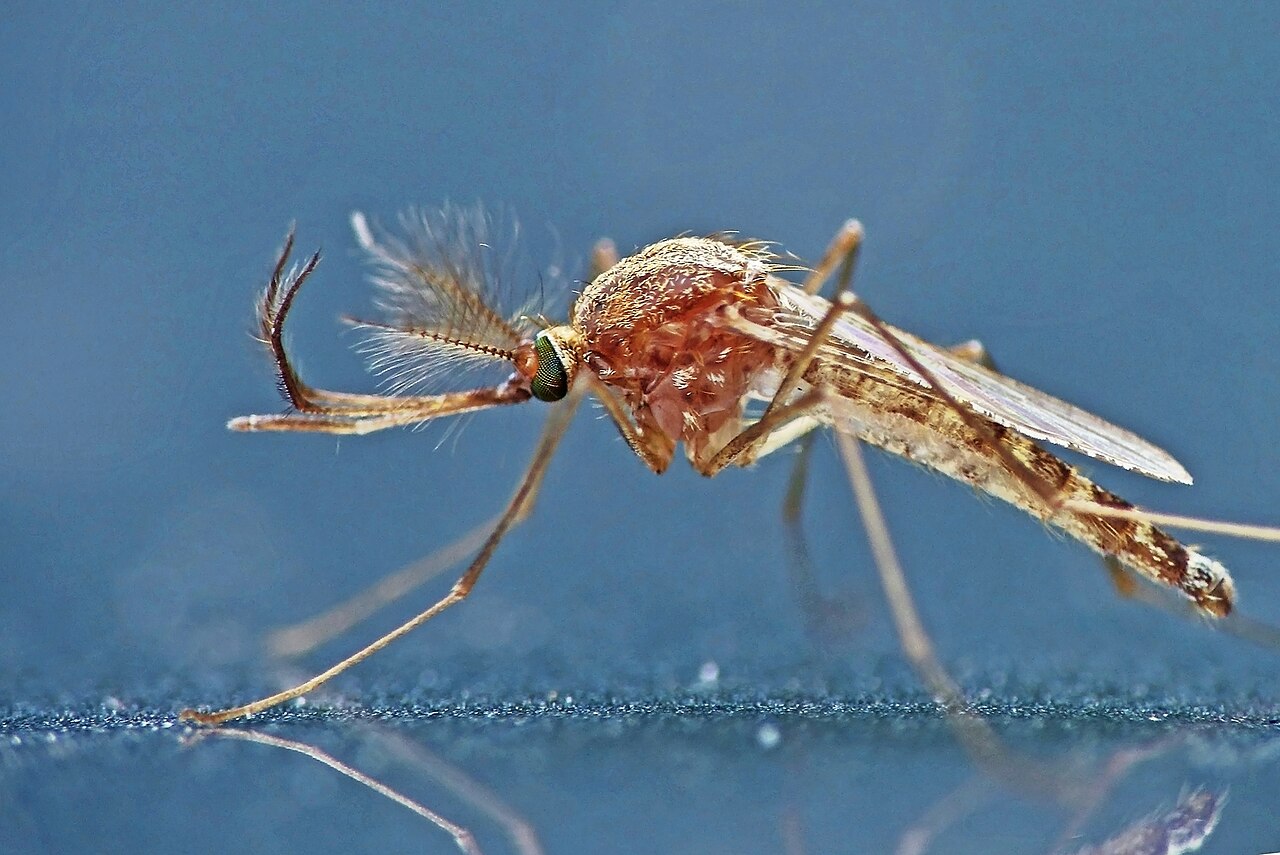
All season long, Dallas County Health and Human Services and its city partners set mosquito traps across the county on a rotating basis. Crews collect the catch and sort out the species that matters, the Culex mosquito, which is the local carrier of West Nile. Batches of trapped mosquitoes, which health officials call pools, go to the laboratory for testing. Most pools come back negative all summer. The system exists for the ones that do not.
You can watch this process from your kitchen table: the county posts results on its West Nile Watch page, where residents can check whether mosquitoes have tested positive in their ZIP code, season by season.
The trigger: a positive pool
When a pool tests positive, the location of the trap that caught it becomes the center of the response. The standard playbook is targeted ground spraying: truck-mounted equipment treats the streets in a defined area around the positive trap site, typically over one or two consecutive nights, in the late evening and overnight hours when Culex mosquitoes are active and bees and other beneficial insects are not. Spraying is weather permitting; wind and rain can push it back a night, which is why announced schedules always carry that caveat.
Notice comes before the trucks. The county and the affected city publish the spray boundaries, usually named by the streets that box in the treatment area, along with the planned nights and hours. Human cases raise the stakes further: a confirmed West Nile infection in a resident brings additional testing and treatment around that location. In severe outbreak years, county leaders have gone beyond trucks entirely; the aerial spraying of 2012 remains the local benchmark for how far the response can escalate when infection rates climb.
Who handles your street depends on your city
One wrinkle that confuses residents every summer: mosquito control in Dallas County is shared work. DCHHS runs surveillance and response for unincorporated areas and partners with the county’s cities, while some cities run their own programs on top of the county’s lab work. The city of Dallas, for instance, operates its own mosquito control program through Code Compliance, with its own traps and spray notifications inside city limits. If you live in a suburb, your city’s website and alert system will carry its spray notices, generally alongside the county’s.
Standing water is the part you can act on directly. DCHHS takes mosquito problem reports, like a green swimming pool behind a vacant house or a clogged drainage ditch breeding clouds of them, at 214-819-2115, or through its online service request map. County vector control staff can inspect and treat problem sites, which prevents more infections than any amount of fogging after the fact.
Spray night at your house
The pesticides used for mosquito control are applied at very low concentrations and regulators consider properly conducted spraying low-risk for people and pets. Even so, the standard commonsense advice from health officials for a scheduled spray night is easy to follow: stay indoors with windows closed while the truck works your street, keep pets in, bring in children’s toys and cover small ornamental fishponds. Beekeepers in the treatment area should cover hives, since the products can harm bees on direct contact, which is also why crews spray at night. By morning, normal life resumes; there is no need to wash down patios or avoid your yard.
The four Ds still do most of the work
County health officials repeat the same prevention formula every summer because it works. Drain standing water on your property every few days, from plant saucers to gutters to the kiddie pool, because Culex mosquitoes breed in small, stagnant amounts of water close to homes. Use an EPA-registered repellent with DEET or an equivalent active ingredient when you are outside. Dress in long sleeves and pants when practical. And take extra care at dusk and dawn, the hours when the West Nile carriers bite most.
Most people infected with West Nile never know it, and about one in five develop fever, aches and fatigue. The rare severe cases, more likely in people over 50 and those with weakened immune systems, are the reason the whole apparatus of traps, labs and trucks exists. Check your ZIP on the county’s West Nile Watch page, fix your standing water this weekend, and when the fogger truck does come down your street some night this summer, you will know exactly what put it there.
This article was produced with AI assistance and reviewed by a human editor. Figures are linked to their primary sources; where a claim could not be verified from the public record, we say so.

Leave a Reply