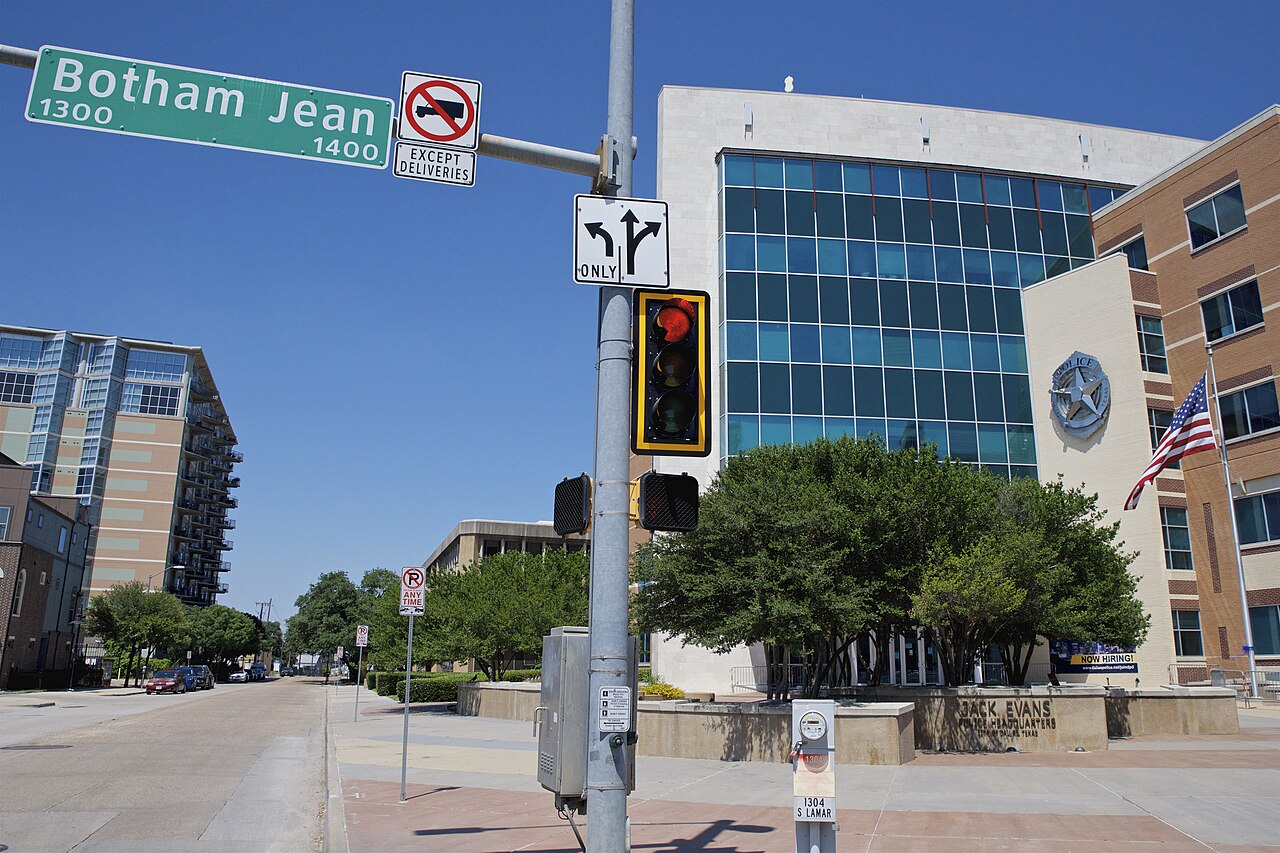
A fender-bender on Central Expressway, a break-in at the apartment, a hit-and-run scrape in a Deep Ellum parking lot: sooner or later, most of us end up needing the official paper version of a bad day. Your insurance company wants the report, or a lawyer does, or you simply want the record straight. And this is where people get lost, because “the police report” is actually two different documents that live in two different systems with two different sets of rules.
Here is the map: crash reports go through the state, incident reports go through the city, and each has its own process, price and waiting period.
First, know which report you need
If a Dallas officer investigated a traffic crash with injury or significant damage, the officer filed a Texas Peace Officer’s Crash Report, called a CR-3. Those do not sit in a filing cabinet at police headquarters; state law makes the Texas Department of Transportation the custodian of crash records statewide, and that is where you buy a copy.
Everything else, a burglary, a theft, an assault, a vandalism report, is a police incident or offense report, and those belong to the Dallas Police Department, reachable through the City of Dallas open records process.
Crash reports: TxDOT’s online purchase system
For crashes anywhere in Texas, including every DPD-worked wreck, the route is TxDOT’s crash reports and records page and its Crash Report Online Purchase System, part of the Crash Records Information System known as CRIS. You search by details like the crash date, county and a name, pay online, and receive the report by email.
The costs are set by the state: $6 for a regular copy and $8 for a certified copy, the version you would want for a legal proceeding, plus a small processing surcharge for the online system. TxDOT keeps crash reports for the previous 10 calendar years plus the current year.
Timing matters. Under Texas Transportation Code Chapter 550, the investigating officer has up to 10 days after the crash to submit the report to TxDOT, and processing adds time on top of that. If your search comes up empty in the first week, that is normal; check back rather than assuming the report does not exist.
One more wrinkle: crash reports are confidential, not public. State law releases the full report only to people with a direct stake, including anyone involved in the crash, their authorized representatives, parents or guardians of an involved driver, vehicle owners, and the insurance companies covering the people or vehicles involved. If you do not fit any category, you can still buy a copy, but it arrives redacted.
Police incident reports: the city’s open records route
For non-crash reports, Dallas handles requests under the Texas Public Information Act. The cleanest path is the city’s online Open Records Center, linked from the City Secretary’s open records page. You create a request describing what you want, and the portal is also where you track status, exchange messages with the city, and pick up the documents.
The police department fields its own open records requests through the DPD Open Records Unit at 1400 Botham Jean Blvd. in Dallas; the city’s open records contacts page lists the unit’s phone line at 214-671-3343 for questions about police records specifically.
To keep your request from stalling, include what you know: the incident or case number from the officer or victim’s card if you got one, names involved, the date, and the location. Be specific about which document you want. Costs for city records follow the state’s cost rules, which depend on format and volume, and the city tells you any charge before you owe it; a straightforward copy of a single report is typically inexpensive. Note that reports tied to open investigations, and certain details like some victim information, can lawfully be withheld or redacted, so what you receive may not include everything in the file.
The free lookup that answers half the questions
If you just need basic facts rather than a certified document, the city publishes a running Police Incidents dataset on the Dallas Open Data portal. You can search incidents by date, location and offense type at no cost. It will not satisfy an insurance adjuster, but it can confirm that a report exists, when it was filed, and the incident number you need for a formal request.
Three tips before you pay
- Ask your insurer first. If you have filed a claim, the insurance company usually pulls the crash report itself, and you may not need your own copy at all.
- Match the copy to the purpose. The $6 regular crash report satisfies most insurance needs; save the $8 certified version for court.
- Crashes outside Dallas work the same way. TxDOT’s system covers reports written by any Texas agency, so a wreck worked by Garland police or a county sheriff is in the same CRIS database.
None of this is difficult once you know which door to knock on. Crash: state system, small fixed fee, allow a couple of weeks. Everything else: city portal, be specific, keep your incident number handy.
This article was produced with AI assistance and reviewed by a human editor. Figures are linked to their primary sources; where a claim could not be verified from the public record, we say so.

Leave a Reply