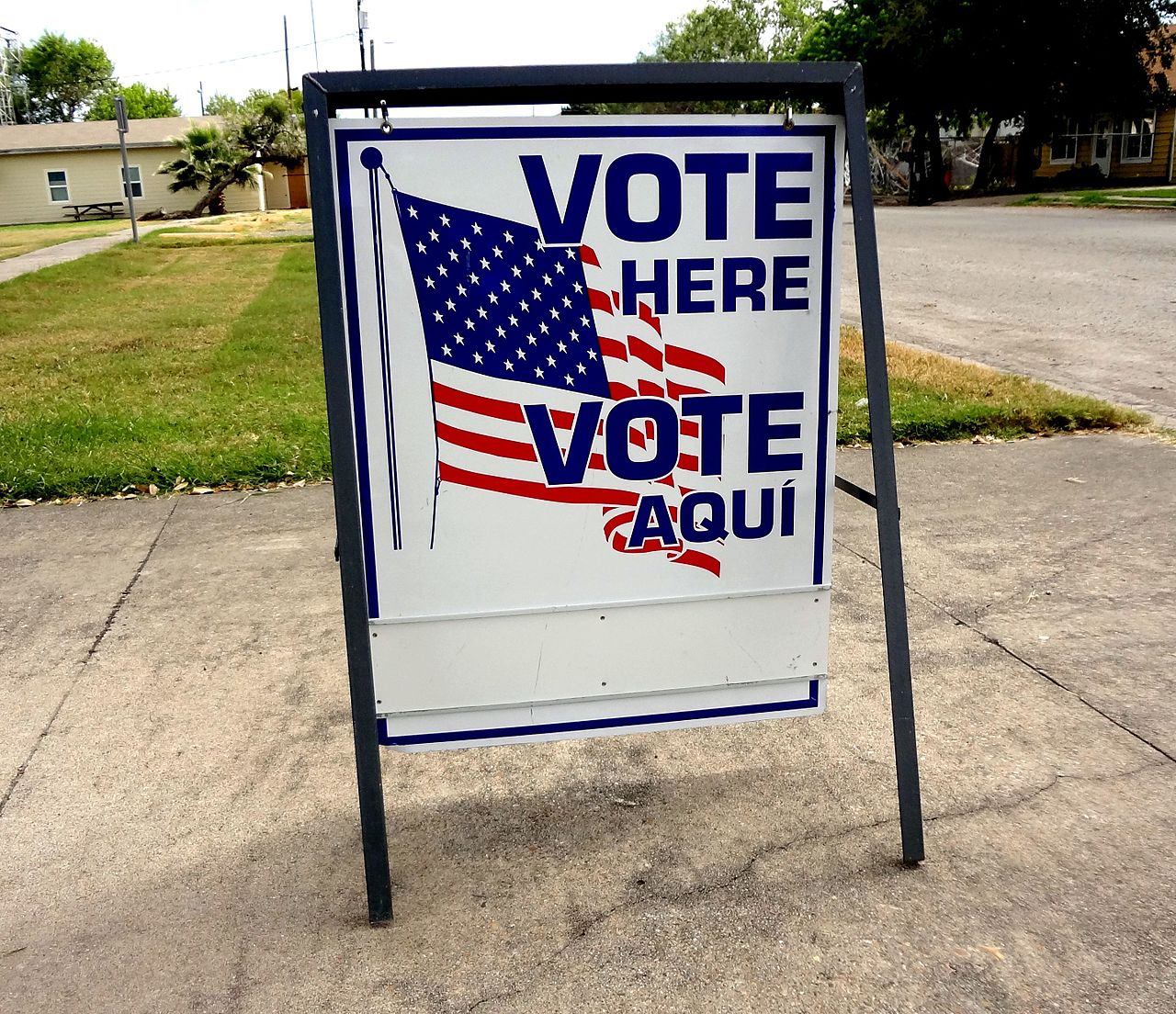
The signs are back out. Early voting for the May 26 primary runoff election opens today across North Texas, and if the March primary felt crowded, this round is the opposite: shorter ballots, shorter lines and races that can turn on a few hundred votes. In Dallas County, early voting runs Monday, May 18 through Friday, May 22, from 7 a.m. to 7 p.m. each day.
Runoffs are where nominations actually get settled, and turnout is routinely a fraction of the primary’s. If you want a say in who’s on your November ballot, this week is the easy window. Here’s what to know before you go.
Why there’s a runoff at all
Texas requires a primary candidate to win more than half the vote to take the nomination outright. In any race where nobody cleared 50 percent in March, the top two finishers meet again, and the Texas Secretary of State has set that runoff for Tuesday, May 26. Which races appear on your ballot depends on your precinct and on which contests in your area went to overtime, so pull up your sample ballot at dallascountyvotes.org before you head out. Tarrant, Collin and Denton county election sites post theirs the same way.
The party rule that trips people up
One rule matters more in a runoff than anywhere else. If you voted in a party’s primary in March, you can only vote in that same party’s runoff. You cannot vote Democratic in March and Republican in May, or the reverse. If you skipped the March primary entirely, you’re free to vote in either party’s runoff, just not both. Your voter registration itself doesn’t carry a party label in Texas; this is purely about which primary you participated in this cycle.
Also worth knowing: registration for this election closed weeks ago under the state’s 30-day rule, so if you’re not already registered, this one isn’t yours, but November still can be. Check your status in two minutes at VoteTexas.gov or call 1-800-252-VOTE.
Where to vote: any center in the county
Dallas County uses countywide vote centers, which means you are not tied to a neighborhood precinct. During early voting and on election day alike, you can cast your ballot at any voting location in Dallas County, whichever is closest to home, work or the grocery run. The county’s location finder lists every open site with hours and a map.
That flexibility is the best argument for voting early: pick a quiet mid-morning, pick the closest center, and you’re usually in and out in minutes.
What to bring
Texas asks for photo ID at the polls. The acceptable list includes a Texas driver license, a DPS-issued ID card, an election identification certificate, a Texas handgun license, a U.S. passport, a U.S. military ID with photo, or a citizenship certificate with photo. Voters who don’t have any of those and can’t reasonably get one can sign a declaration and show a supporting document like a utility bill or bank statement. The full rules live at VoteTexas.gov.
Leave the campaign T-shirts and hats at home; electioneering rules apply inside the 100-foot marker. Phones are for the parking lot, not the voting booth, so screenshot or print your sample ballot choices before you walk in.
Election day, if you’d rather wait
If the week gets away from you, polls are open on election day, Tuesday, May 26, from 7 a.m. to 7 p.m., and the same vote-anywhere rule applies in Dallas County. Anyone in line by 7 p.m. gets to vote. Mail-ballot voters should get theirs back promptly; a ballot returned by mail has to reach the county by the statutory deadline, and this close to election day, the county’s annex drop-off or simply voting in person is the surer bet. Questions about a mail ballot already requested go to the county elections office through dallascountyvotes.org.
Two accommodations are easy to miss. Voters who can’t stand in line or enter the building because of a disability or health condition can ask for curbside voting; a poll worker brings the equipment out to the car, and a companion can go inside to request it. And any voter is entitled to bring written notes or ask an election worker how the equipment works, so first-time runoff voters shouldn’t feel rushed at the machine.
Why bother with a runoff
Because this is the round where your vote is heaviest. Runoff turnout in North Texas is often in the single digits as a percentage of registered voters, which means the people who do show up this week are effectively choosing nominees for everyone else. Twelve hours a day, five days, any center in the county. It’s rarely this convenient to matter this much.
This article was produced with AI assistance and reviewed by a human editor. Figures are linked to their primary sources; where a claim could not be verified from the public record, we say so.

Leave a Reply