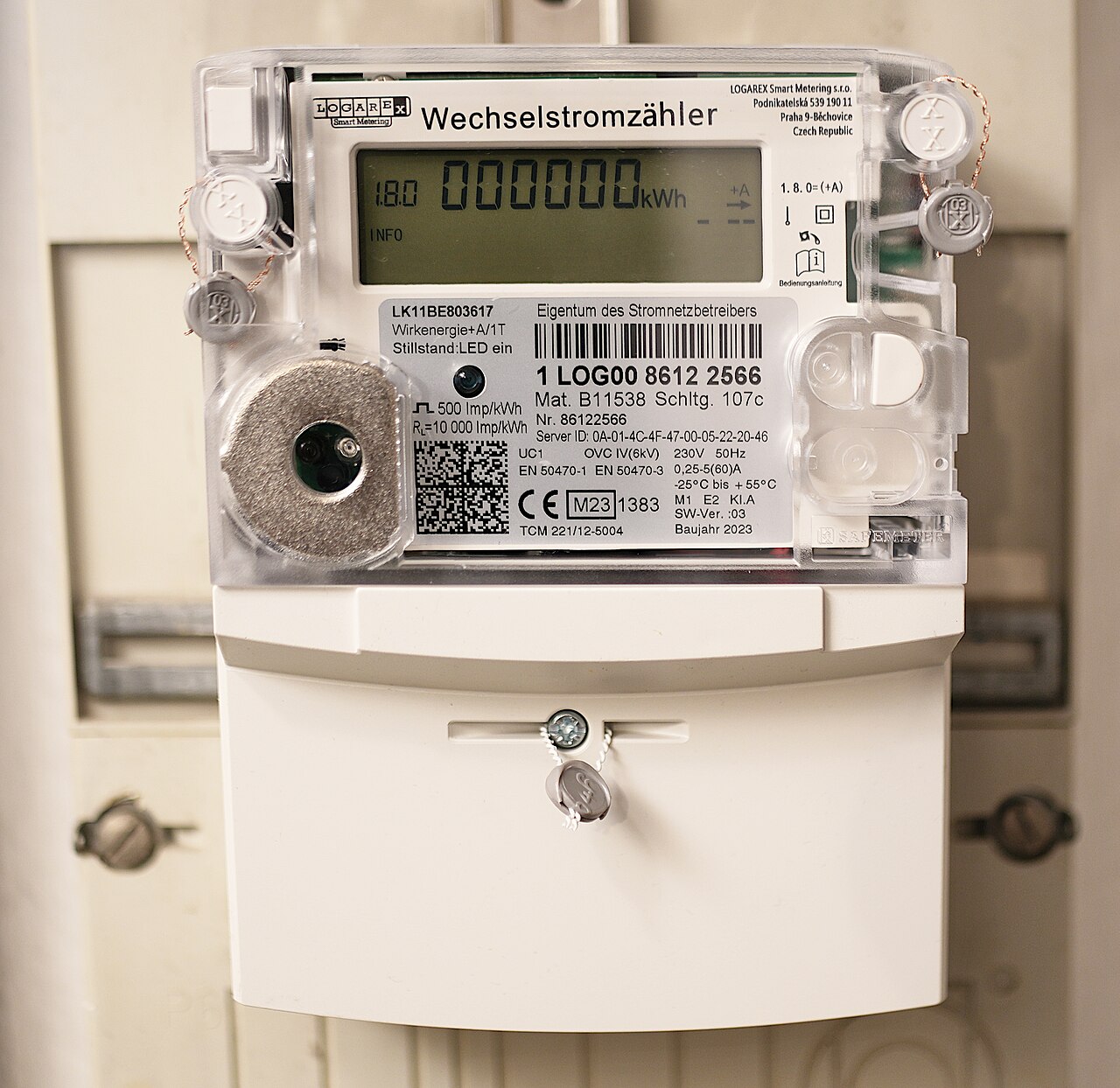
Somewhere on the side of your house is a small digital box that knows more about your electric bill than you do. Every 15 minutes, all day, every day, the smart meter that Oncor installed records exactly how much power your household pulled. Most DFW residents have never seen that data. They see one number a month, at the bottom of a bill, long after the damage is done.
Here is the part almost nobody uses: the state built a free website that hands you all of it. It is called Smart Meter Texas, it costs nothing, and in a July like this one it is the closest thing to an X-ray of your electric bill that exists. This piece walks through what it is, how to sign up, and what to actually do with 96 readings a day.
What Smart Meter Texas is
Smart Meter Texas, at smartmetertexas.com, is a shared portal operated by the regulated utilities that own the poles, wires and meters in Texas, including Oncor, which delivers power to most of Dallas and Tarrant counties. It exists because the Public Utility Commission of Texas, which oversees metering rules in the competitive market, requires that the usage data your meter collects be made available to you, the customer it belongs to.
The key point for a household budget: the portal shows your consumption in 15-minute intervals. Not a monthly total, not a daily estimate, but the actual quarter-hour rhythm of your house. Yesterday’s usage generally appears within a day or so, which means you can try something on Tuesday and see whether it worked by Thursday.
Signing up takes a bill and five minutes
Registration is free, but the site will ask you to prove the meter is yours. Grab a recent electric bill and find two numbers on it. The first is your ESID, the Electric Service Identifier, a long number that identifies your specific address in the Texas grid. The second is your meter number. Enter both when you create your account and the portal links you to your meter.
One thing worth being clear about: Smart Meter Texas is run by the utilities, not by the company that sends your bill. It does not matter whether you buy your electricity from a big-name retailer or a small one you found on Power to Choose. If Oncor delivers your power, your meter data lives here, and switching providers does not erase it.
What the 15-minute data actually tells you
Pull up a single hot day and the graph tells a story. There is a low overnight hum, the flat baseline your refrigerator, routers and standby electronics draw no matter what. Then there are the spikes: the air conditioner cycling harder from mid-afternoon on, the electric dryer’s unmistakable block of usage, the oven at dinnertime.
Three practical things fall out of that picture. First, you can see your baseline. If your house draws heavily at 3 a.m. when everyone is asleep, something is running that maybe should not be, such as an old second refrigerator in the garage working overtime in the heat. Second, you can test changes and get an answer in days. Raise the thermostat two degrees, run the dryer after dark, and compare this Tuesday against last Tuesday. Third, you can catch a problem early. An air conditioner that starts running nearly nonstop shows up in the data before it shows up as a shocking bill or a breakdown in August.
It also makes you a smarter plan shopper
The other payoff comes when your contract is up. Every plan’s Electricity Facts Label prices power at 500, 1,000 and 2,000 kWh, and plans can be cheap at one usage level and expensive at another. Smart Meter Texas shows your real monthly totals across the past year, so you can shop against your actual usage instead of a guess. The portal also lets you download your usage history in a standard file format, which is exactly what the better rate-comparison tools ask for.
The data matters even more if you are considering a time-of-use plan, the kind with free nights or cheaper weekends. Those plans only save money if your household genuinely uses a big share of its power in the discounted hours. Your 15-minute history answers that question with arithmetic instead of optimism.
A July habit worth keeping
None of this requires becoming a spreadsheet person. A reasonable routine is one look a week during the summer: open the portal, glance at the daily totals, and note whether this week is tracking above or below last week. When ERCOT and the utilities start asking Texans to conserve in the late-afternoon squeeze, the same graphs show you which hours your house is actually contributing to the problem, and whether shifting the dishwasher and laundry to 9 p.m. is making a dent.
Your meter has been keeping this diary for years. The bill only shows you the last page. If you are going to pay North Texas summer prices for electricity, you might as well read the whole thing, and the login is free.
This article was produced with AI assistance and reviewed by a human editor. Figures are linked to their primary sources; where a claim could not be verified from the public record, we say so.

Leave a Reply