Maybe it’s the zoning case two blocks over. Maybe it’s the state of your street, a budget line you can’t believe, or a stray-dog problem your 311 tickets haven’t fixed. At some point, most Dallas residents hit an issue where the next honest step is saying it out loud to the people who vote on it. The good news: you have a legal right to do exactly that. The Dallas City Charter provides for open council meetings with a reasonable opportunity for citizens to be heard, and the city maintains a standing system for putting residents at the microphone.
The catch is that the system has rules, windows, and a deadline that trips up first-timers. Here’s the whole process, start to finish, so your three minutes actually happen.
1. Know the two ways to speak
There are two basic lanes. If your topic is an item on the council’s voting agenda, you register to speak on that item and you’re heard before the council takes it up. If your topic isn’t on the agenda, you register for the open microphone period, where residents can raise anything at all. Same registration system, one important difference in the fine print: under the city’s speaker rules, no person may register for the open microphone more than once in any 30-day period. Agenda-item speaking carries no such monthly limit, so if a specific case matters to you, speaking on the item itself is usually the stronger, more repeatable play.
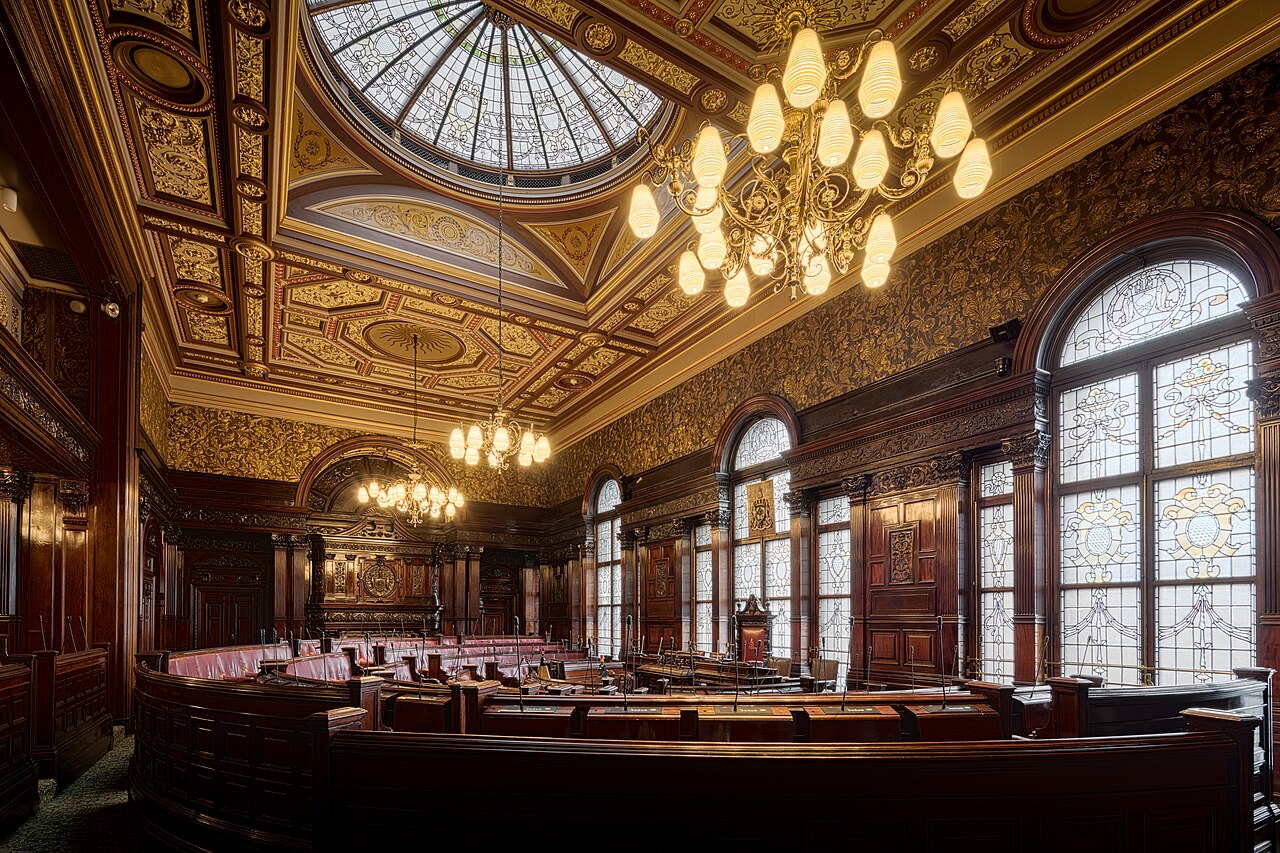
You don’t have to live in Dallas to register, though preference goes to residents. Regular council meetings are held at Dallas City Hall, 1500 Marilla St., in the sixth-floor Council Chambers, and every meeting’s agenda is posted in advance on the city’s meeting portal, which is where you confirm your item is actually up for a vote that day.
2. Register with the city secretary, four ways
All speaker registration runs through the City Secretary’s Office, and per the city’s published rules you can register in person, online, by email, or by phone at 214-670-3738. When you register, have five things ready: your name, your residence address, a daytime phone number, whether you’ll appear in person or by videoconference, and your subject, including whether it’s on the current agenda.
Yes, videoconference is a standing option. You can make your three-minute case from your kitchen table, which matters if you work shifts, lack transportation, or are minding kids on a Wednesday morning. Register the same way; just say you’re participating remotely, and follow the connection instructions the secretary’s office provides.
3. Mind the window, especially the deadline
This is where most first-timers stumble. Registration for a given council meeting opens at 8:15 a.m. on the next regular business day after the previous council meeting, and it closes at 5 p.m. on the last regular business day before the meeting you want. For a Wednesday council meeting, that means the practical deadline is 5 p.m. Tuesday, and no, showing up Wednesday morning and asking nicely does not get you on the list.
Two scheduling quirks to know. The council takes recesses through the year, including a summer break, and no meetings means no speaker lists those weeks; the meeting calendar shows what’s actually scheduled. And popular agenda items draw long speaker lists, so register early in the window rather than at 4:55 p.m. on deadline day.
4. The rules once you’re up
You get up to three minutes, and the mayor can trim that when the list is long. Two details from the city’s own guidelines are worth taking literally. First, your time starts when you reach the Chamber floor, not when you start talking, so fumbling with handouts or plugging in a laptop eats your minutes. Second, the fixes for that are spelled out: handouts should go to the City Secretary’s Office by 3 p.m. the business day before the meeting so they can be distributed to council members at the start, and speakers with audio or video presentations are encouraged to contact the Office of Public Affairs & Outreach at 214-670-1897 at least a business day ahead to test their equipment against the city’s setup. Technical troubleshooting during the meeting counts against your clock.
Decorum rules are what you’d expect: address the council as a body, keep it civil, no applause-baiting or disruptions. The chair runs the room.
5. Make the three minutes count
Three minutes is roughly 400 spoken words, which is shorter than this article by a lot. The speakers who land are the ones who sound like neighbors with a specific problem: say who you are and where you live, describe the issue concretely, and end with the single thing you’re asking the council to do. Write it out, read it aloud twice at home, and cut until it fits in two and a half minutes so questions or nerves don’t run you over the bell. If several neighbors care about the same item, register separately; five short, distinct speakers register very differently on the dais than one person claiming to speak for the block.
Answers to common logistics questions, from parking at City Hall to how agendas are posted, live on the city’s FAQ page. And if your issue is really a service request, a pothole, a missed pickup, a code complaint, start with 311 first; the council mic works best for the problems 311 can’t close.
City government listens best to the people who show up. The list is open; put your name on it.
This article was produced with AI assistance and reviewed by a human editor. Figures are linked to their primary sources; where a claim could not be verified from the public record, we say so.

Leave a Reply