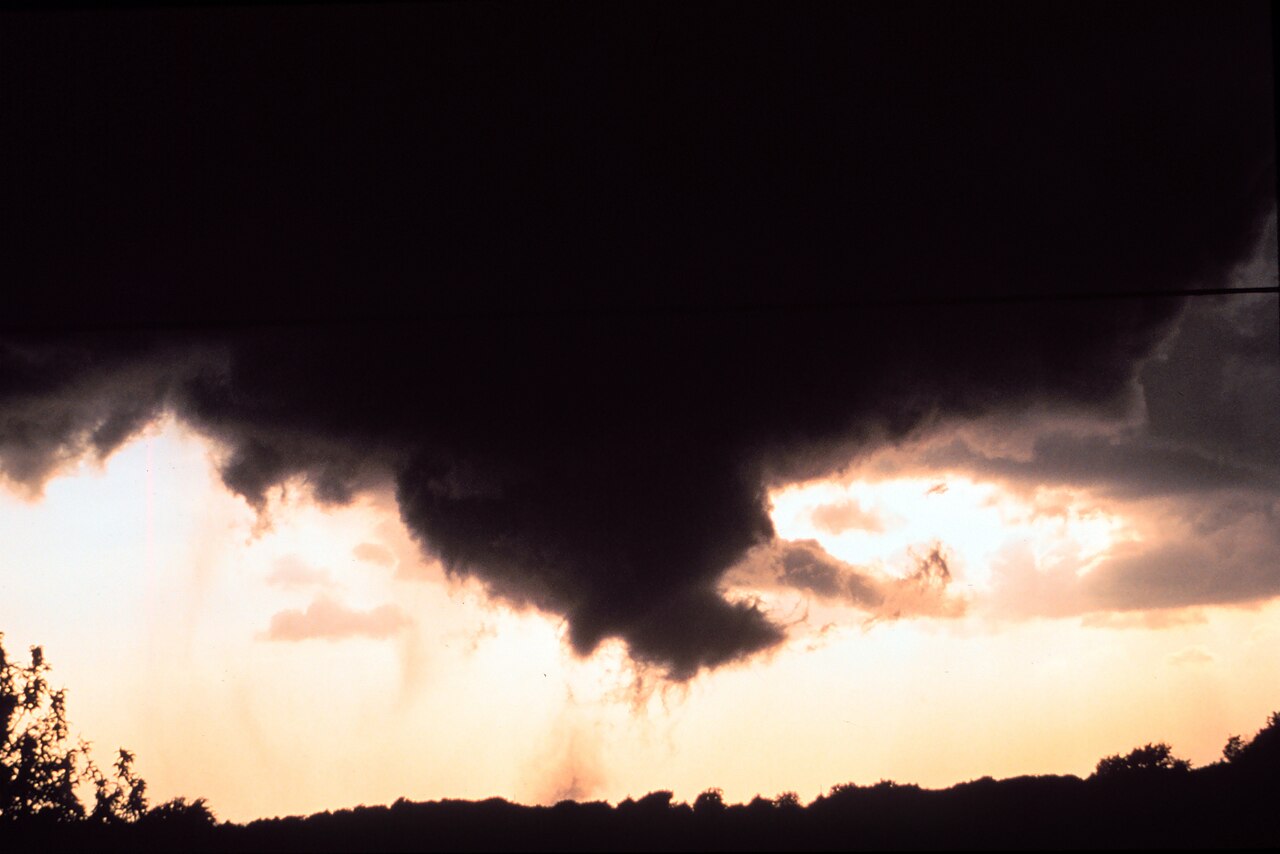
It is a May evening in North Texas. The sky has gone that bruised green-gray, the phone buzzes on the counter, and somebody in the house asks the question every DFW household has asked at least once: is this the one where we get in the closet, or the one where we just keep an eye on it?
The answer is built into two words that sound alike and mean very different things. A tornado watch and a tornado warning ask different things of you, and knowing the difference before the sky turns is worth more than any weather app. Here is how the National Weather Service defines each alert, what it wants you to do, and how to shelter in a part of the country where almost nobody has a basement.
A watch means: be prepared
A tornado watch means conditions are right for tornadoes to form in and near the watch area. Nothing is on the ground. Nothing may ever be. The National Weather Service issues watches through its Storm Prediction Center, and they cover big territory, often many counties at once, sometimes parts of several states, and they typically run for hours.
What a watch asks of you is homework, not heroics: know where your shelter spot is, make sure shoes and flashlights are where you can grab them, charge the phones, and keep a way to hear a warning if one comes, especially overnight. If you live in a mobile home, a watch is the moment to think about where you would go, because the answer cannot be “stay here.”
A warning means: take action now
A tornado warning means a tornado has been sighted or indicated by weather radar and there is imminent danger to life and property. Warnings are issued by the local forecast office, which for nearly all of the metro is NWS Fort Worth, and they cover a small, specific area, roughly the size of a city or a small county. If your location is inside the warning polygon, the Weather Service wants you in shelter immediately, not at the window with a phone.
There is a third and rarer alert worth knowing: the tornado emergency. It is the Weather Service’s highest level, reserved for a violent tornado on the ground with catastrophic damage confirmed. If you ever hear those words for your area, treat them as exactly what they are, the loudest alarm the agency owns.
Where to shelter when there’s no basement
North Texas homes sit on expansive clay, and basements are rare here, so the standard advice has a local translation. The NWS guidance is to move to an interior room on the lowest floor of a sturdy building and stay away from windows. In a typical one-story DFW house, that means an interior bathroom, closet or hallway near the center of the home, with as many walls as possible between you and the outside. In a two-story home, go downstairs first, then to the center.
A few upgrades cost nothing: put bicycle or batting helmets in the shelter spot, pull a mattress or couch cushions over the group, and wear shoes, because the most common injuries after a tornado come from walking through debris. If you are in a mobile home, a vehicle or outdoors when the warning hits, the guidance is to move to the closest substantial shelter and protect yourself from flying debris. A mobile home is not a safe place in a tornado, even tied down, and a car should never be used to try to outrun one.
How the warning actually reaches you
Outdoor sirens are built to warn people who are outside, and every DFW city sets its own siren policy, so never treat silence indoors as an all-clear. The alert most likely to wake you at 2 a.m. is the Wireless Emergency Alert that tornado warnings push automatically to phones in the warned area; check your phone settings now and make sure government alerts are turned on. A NOAA Weather Radio with battery backup is the belt-and-suspenders option, and it keeps working when the power and cell sites do not.
It is also worth knowing what the alerts are not. A severe thunderstorm warning can precede a tornado warning by only minutes, and spring supercells in North Texas can drop a tornado with little visual notice, especially after dark or when storms are wrapped in rain. If a severe thunderstorm warning mentions a tornado possible, act like the closet is already in your near future.
The two-minute family drill
Tonight, before the next round of storms shows up on the seven-day forecast, walk the house once. Agree on the shelter room. Put the helmets and a flashlight in it. Confirm everyone’s phone will sound for warnings. Decide who grabs the dog. Then you are done, and the next time the sky goes green and the phone buzzes, nobody in your house has to ask which word it was. Watch means get ready. Warning means go.
This article was produced with AI assistance and reviewed by a human editor. Figures are linked to their primary sources; where a claim could not be verified from the public record, we say so.

Leave a Reply