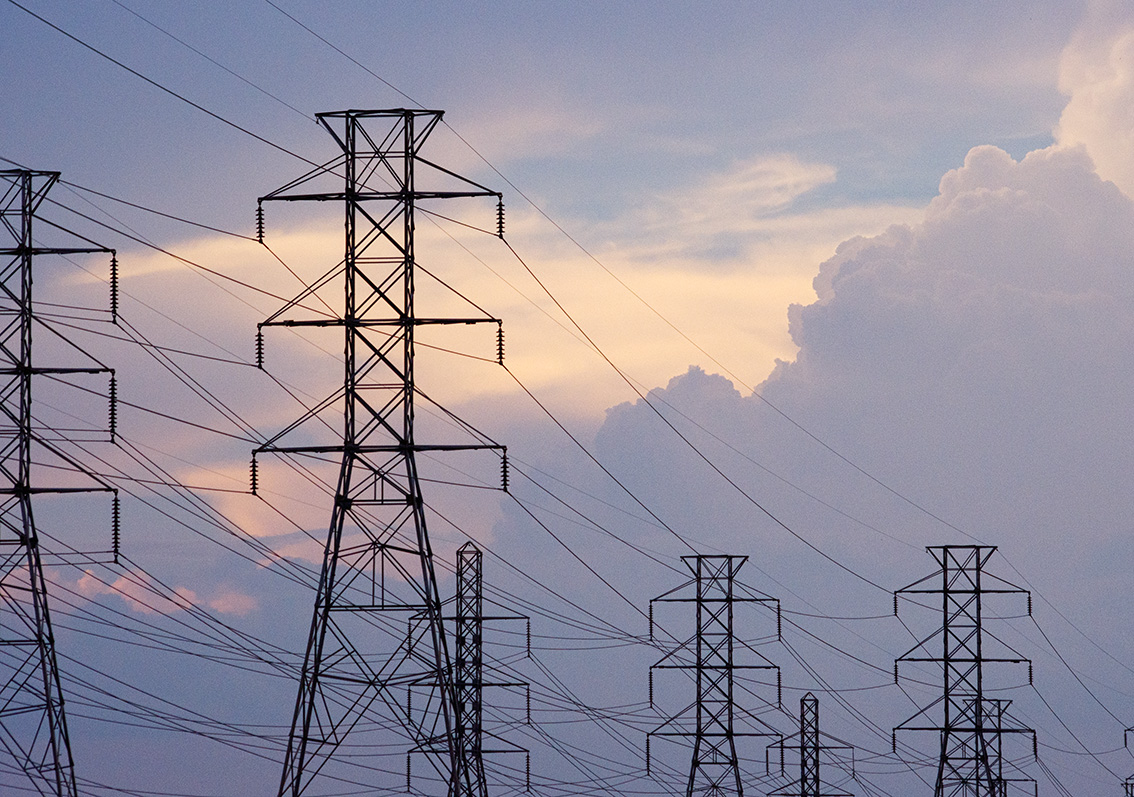
Every May, North Texans do the same quiet math: the AC is about to run 14 hours a day, and somewhere in the back of the mind sits the question the 2021 freeze planted there. Will the grid hold? ERCOT, the operator that runs the electric grid for most of Texas, has posted its summer outlook, and the short answer is a calm one. Based on expected weather, ERCOT anticipates there will be sufficient generation to meet demand this summer.
That’s the headline. The more useful information for a DFW household is underneath: which hours are actually tight, what the risk numbers look like, and what to do on the handful of evenings when the grid operator asks everyone to ease off. Here’s the plain-language version.
How ERCOT sizes up a summer now
ERCOT’s forward look comes month by month through its Monthly Outlook for Resource Adequacy, or MORA, published on the resource adequacy page of ercot.com. Each report stacks expected generation against forecast demand, hour by hour, and estimates the probability that ERCOT would need to declare an energy emergency in the highest-risk hours.
The reports covering early summer are already public. The June 2026 outlook puts the chance of an energy emergency in the month’s riskiest hour at 0.09 percent, which ERCOT classifies as low risk. For May, the corresponding figure is 0.26 percent. Numbers that small are not a guarantee, but they are the opposite of an alarm bell.
Why the evening is the pinch point
Both reports point at the same window: the early evening, with the single riskiest stretch around the hour ending 9 p.m. The reason is structural. Texas now leans heavily on solar power, which is magnificent at 3 p.m. and gone by dark. On a 103-degree July day, demand stays brutal well past sunset while solar output ramps down to zero, and batteries and gas plants have to carry the handoff.
That’s why conservation requests, when they come, target roughly 6 to 9 p.m. rather than the hottest part of the afternoon. The grid’s hard hours are not when it’s hottest; they’re when it’s still hot and getting dark.
What a conservation appeal does and doesn’t mean
If a tight evening shapes up, ERCOT communicates through the Texas Advisory and Notification System, or TXANS. A Weather Watch means forecasters see conditions worth monitoring days ahead; it asks nothing of you. A conservation appeal is a voluntary request to trim use during a stated window. Neither one means outages are imminent; they are the system working as designed, and Texas went through recent summers issuing appeals without an emergency.
If you want those notices firsthand instead of through a neighbor’s group text, you can sign up for ERCOT’s alerts and check current conditions on the grid conditions dashboard, the same supply-and-demand graph the professionals watch.
What actually moves the needle at home
On an appeal evening, the big lever in a North Texas house is the air conditioner. Nudging the thermostat up two to four degrees from 6 to 9 p.m. does more than everything else combined. After that: delay the dishwasher, dryer and oven until after 9, skip charging the EV until overnight, and close blinds on west-facing windows in the late afternoon so the AC isn’t fighting the sun. None of this requires suffering; it requires timing.
Two things to remember about who does what. ERCOT operates the grid but doesn’t deliver your power; in most of DFW that’s Oncor’s wires, no matter which retail provider bills you. And a conservation appeal is not a shortage at your specific house; a summer outage on a hot evening is far more likely to be a neighborhood equipment failure than a grid event.
And if a summer evening ever did go wrong?
It’s worth knowing the ladder, if only to keep rumors in proportion. Conservation appeals sit on the lowest rung. If supply genuinely ran short, ERCOT would move through formal energy emergency levels, each unlocking additional reserves and imports, and only at the last level would utilities like Oncor be instructed to rotate brief controlled outages to protect the larger system. The outlook’s low-single-digit-fraction risk numbers describe the odds of even entering that ladder, not of reaching its top.
Households that depend on powered medical equipment shouldn’t bank on odds at all: ask your retail electric provider about registering as a critical care residential customer, which flags your address with Oncor ahead of outages and adds notification protections. It isn’t a guarantee of uninterrupted power, so a backup plan for equipment still matters, but it’s the formal step the system offers and it costs nothing.
The honest bottom line
The outlook says the lights should stay on this summer, with a watchful eye on the evening solar handoff. Treat any conservation appeal as what it is, a group project with about three hours of homework, and keep your own house ready the way you would for any Texas summer: AC serviced, fridge cold, and ERCOT’s dashboard bookmarked next to the weather app.
This article was produced with AI assistance and reviewed by a human editor. Figures are linked to their primary sources; where a claim could not be verified from the public record, we say so.

Leave a Reply