The alert usually lands at an inconvenient hour: a text from your city or a knock of news from a neighbor saying the water is under a boil notice. Maybe a main broke on your street, maybe a storm knocked out power at a pump station. Suddenly the most ordinary thing in your house, the kitchen tap, comes with an asterisk, and you are standing there wondering whether you can brush your teeth.
Boil-water notices are common enough across North Texas’s hundreds of water systems that every household should know the drill cold. The rules are not folklore; they are spelled out by the Texas Commission on Environmental Quality, the state agency that regulates every public water system. Here is what a notice means, exactly what to do while it is on, and the one step most people skip after it lifts.
What a boil-water notice actually means
A notice does not mean the water is confirmed contaminated. It means conditions in the system are such that safety cannot be guaranteed, so you should assume the worst until testing says otherwise. Under TCEQ’s rules, systems must issue a notice when pressure drops below 20 pounds per square inch, during outages, major line breaks, treatment failures, or when bacteriological samples come back positive for E. coli. Low pressure matters because when pressure falls, groundwater and whatever is in it can seep into cracked pipes instead of being pushed out.
The utility is required to get the notice out within 24 hours of the problem, using mandatory state language, and to tell TCEQ it has done so. That is why the wording on every notice sounds the same from Frisco to Cleburne: it is a script, on purpose.
The boiling rule: two minutes at a full roll
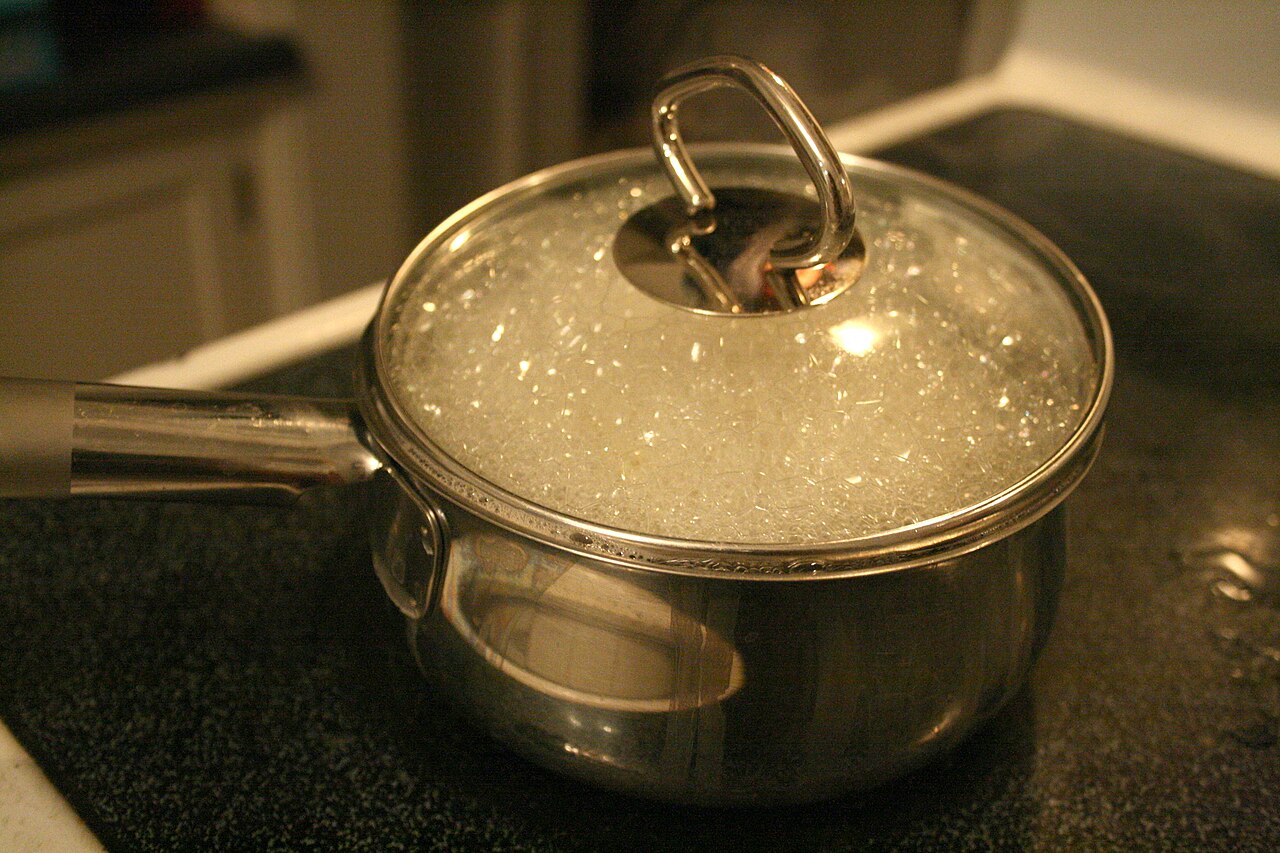
For any water you will swallow, TCEQ’s instruction is specific: bring it to a vigorous rolling boil and keep it boiling for two full minutes, then let it cool and store it in a clean, covered container. A rolling boil means the surface is churning too hard to be calmed by stirring. Bubbles clinging to the bottom of the pot do not count, and neither does water that is merely steaming hot from the tap.
That boiled-or-bottled standard applies to drinking, coffee and tea, mixing drinks, cooking rice or pasta (boil the water two minutes before the food goes in), washing fruits and vegetables, and wiping down food-prep counters. Bottled water is an equally good substitute for all of it.
The details people get wrong
Ice. Dump everything in the trays and the ice-maker bin; it was made with suspect water. Make new ice only with boiled or bottled water, and do not use the door dispenser until the notice lifts and the feed line is flushed.
Baby formula. TCEQ’s guidance says to use ready-to-feed formula if you can, or mix powder with bottled water first and boiled water second. Wash and sterilize bottles and nipples before use.
Teeth. Brush with boiled or bottled water. This is the one everybody forgets at 6 a.m.
Showers and baths. Bathing is fine as long as you do not swallow water. Give babies and toddlers a sponge bath instead, since they cannot be trusted not to gulp.
Dishes. A dishwasher is generally safe if it has a sanitize cycle or a final rinse of at least 150 degrees. Washing by hand, rinse the clean dishes in a basin of warm water with a teaspoon of plain unscented bleach per gallon, soak at least a minute, and air dry.
Laundry and pets. Laundry is safe as usual. Pets, on the other hand, can catch some of the same bugs people do, so give the dog boiled and cooled water too.
Your filter does not save you. Pitcher filters and most fridge and faucet filters are built for taste and chlorine, not bacteria and viruses. TCEQ says to boil even filtered water.
How a notice gets lifted
A notice cannot be lifted just because the leak got patched. Under the state’s rules, the system must fix the underlying problem, flush the lines, restore normal pressure and disinfectant levels, and then collect bacteriological samples that come back clean from a lab. Only then can it issue the official all-clear, delivered the same way the original notice went out. Incubating those lab samples takes time, which is why even a quickly repaired main break usually means a day or two under the notice.
After it lifts: flush before you sip
The all-clear applies to the utility’s pipes, not to the water that has been sitting in yours. When the notice is rescinded, run your cold taps for several minutes to pull fresh water through the house, dump the first batches of ice from the ice maker, and run water-connected appliances like the fridge dispenser through a cycle or two before trusting them. Your utility’s rescind notice will include its specific flushing instructions; TCEQ’s boil-water notice page collects the state guidance in one place.
Who to call, and where to check
Your first source is always the utility named on the notice, since it knows the affected area street by street. Dallas residents can reach Dallas Water Utilities around the clock at 214-670-5111 for water emergencies, and the department’s contact page lists the customer-service lines. Suburban systems post notices on city websites and alert systems, which is a good reason to sign up for your city’s emergency notifications now, before you need them. If you ever suspect a notice should have been issued and was not, TCEQ takes drinking-water complaints directly at the email posted on its boil-water notices page.
None of this is complicated. Two minutes at a rolling boil, bottled where you can, toss the ice, flush when it is over. Tape the rules inside a cabinet door and the next notice will be an inconvenience instead of a scramble.
This article was produced with AI assistance and reviewed by a human editor. Figures are linked to their primary sources; where a claim could not be verified from the public record, we say so.

Leave a Reply