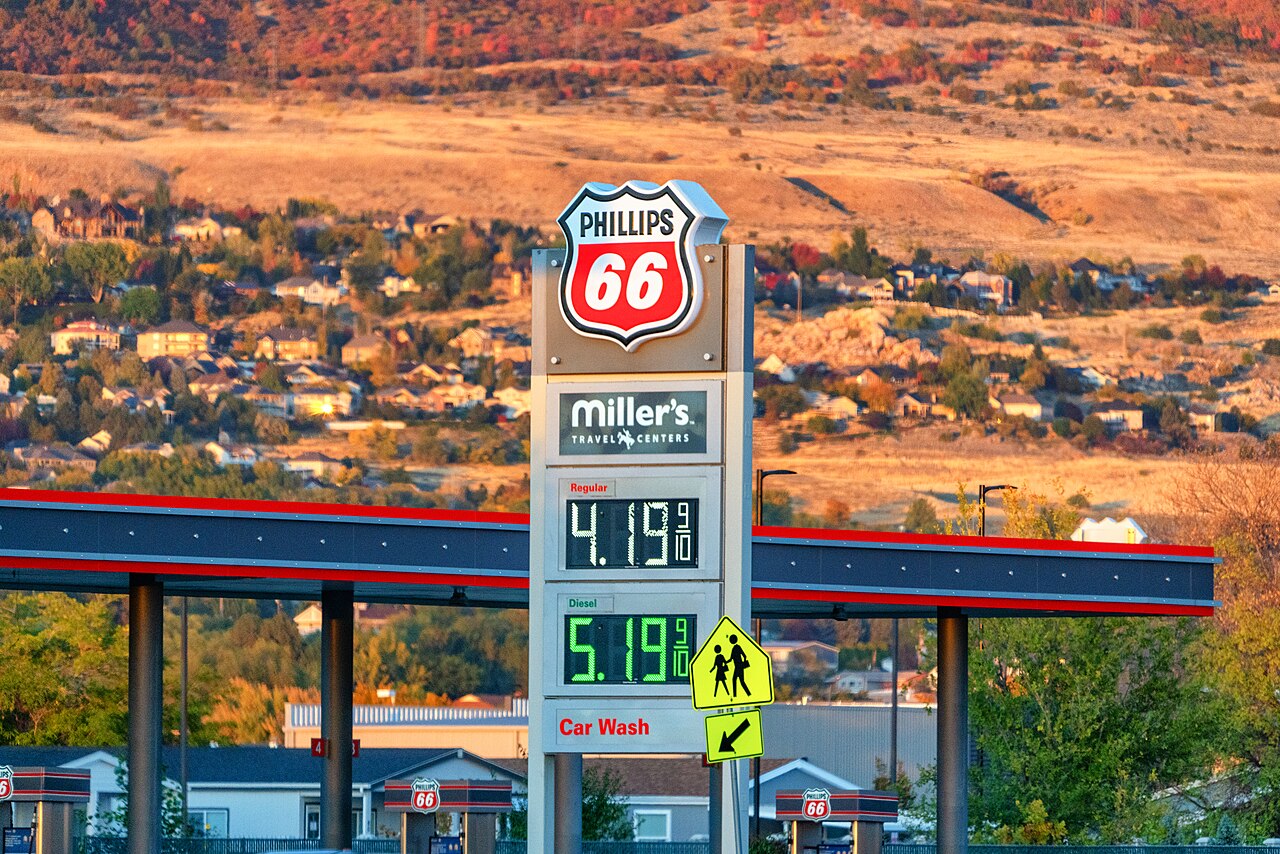
North Texas knows the drill. A hailstorm shreds half the roofs in a ZIP code, or an ice storm knocks the power out for three days, and suddenly the price of a hotel room, a generator or a case of bottled water looks nothing like it did the week before. Some of that is supply and demand. Some of it is illegal, and the difference comes down to one specific legal switch that most people have never heard of.
Here’s how Texas’s price-gouging law actually works, when it applies (and when it doesn’t), what it covers, and exactly how to report a business you believe crossed the line.
The law only switches on with a disaster declaration
Texas’s price-gouging protections live inside the Deceptive Trade Practices Act. Under Section 17.46(b) of the DTPA, it’s a deceptive practice to take advantage of a disaster declared by the governor or the president by selling or leasing fuel, food, medicine, lodging, building materials, construction tools “or another necessity” at an exorbitant or excessive price, or even just demanding such a price.
That first clause matters more than any other detail in this piece: the protections only apply once a disaster has been declared. On an ordinary Tuesday, a hardware store can charge whatever it wants for a generator, and your remedy is to shop elsewhere. But the moment the governor declares a disaster for your county (something that has happened repeatedly across North Texas in recent years after hail, tornadoes and winter storms), the rules change for every business selling necessities in the declared area, and they stay changed for as long as the declaration is in effect.
What counts as gouging, and what doesn’t
The Attorney General’s office is candid that high prices alone are not gouging. Businesses are generally free to set their own prices, and a modest increase that reflects a seller’s own higher costs after a storm isn’t illegal. What the law targets is the exorbitant or excessive price that exists because of the disaster: the $600-a-night motel room that was $89 last week, the sheet of plywood at triple the pre-storm price, the tree crew quoting whatever the desperation will bear.
The covered categories are worth memorizing, because they map neatly onto what North Texans actually buy after a storm: fuel, food, medicine, lodging, building materials and construction tools, plus the catch-all “another necessity.” Note what that list makes room for: hotel rooms when your house is unlivable, lumber and shingles when your roof is open to the sky, gasoline when the power’s out and everyone’s running to relatives’ houses.
The penalties have real teeth, especially for scams on older Texans
This isn’t a slap-on-the-wrist statute. The Attorney General’s office has warned that price gougers can be required to reimburse consumers and face civil penalties of up to $10,000 per violation, with an additional penalty of up to $250,000 when the affected consumers are 65 or older. Every overpriced transaction can count as a separate violation, so a business that gouged a whole neighborhood is looking at serious exposure.
That extra penalty for older victims is no accident. Storm-recovery scams in Texas lean hard on retirees: they’re more likely to be home when the door-knockers come through, and more likely to have the roof, the savings and the insurance policy the scammers want.
How to report it: two ways, both free
If you believe a business took advantage of a declared disaster, the state wants the complaint. This is one of the few consumer laws the AG’s office actively and publicly enforces after every major Texas disaster.
Online: file through the Attorney General’s consumer complaint portal. By phone: call the office’s toll-free consumer protection line at (800) 621-0508. Neither costs anything, and you don’t need a lawyer.
Your complaint is only as strong as its paper trail, so before you file, gather what you can: the receipt or invoice, a photo of the posted or advertised price, the date and address of the business, and, if you can find it, what the same item or room cost before the disaster (an old receipt, a booking-site screenshot, a printed ad). A complaint that says “the motel on Highway 287 charged me $459 on the night of the declaration, and here’s their $92 rate from the week before” is the kind investigators can act on.
Know the difference between gouging and the other storm scams
Price gouging is about legitimate businesses charging illegitimate prices. It travels with a nastier cousin: the fly-by-night operators who follow the storms themselves. The AG’s disaster scams page covers that territory: fake charities, door-to-door “contractors” who take deposits and vanish, and public adjuster impostors. Different scheme, same complaint portal, same phone number.
The bottom line for your wallet: when a disaster is declared in your county, the prices of necessities are not a free-for-all, and you’re not powerless if a business treats them like one. Save the receipt, take the photo, and file. It costs you ten minutes, and it’s the only way the law’s teeth ever get used.
This article was produced with AI assistance and reviewed by a human editor. Figures are linked to their primary sources; where a claim could not be verified from the public record, we say so.
Leave a Reply