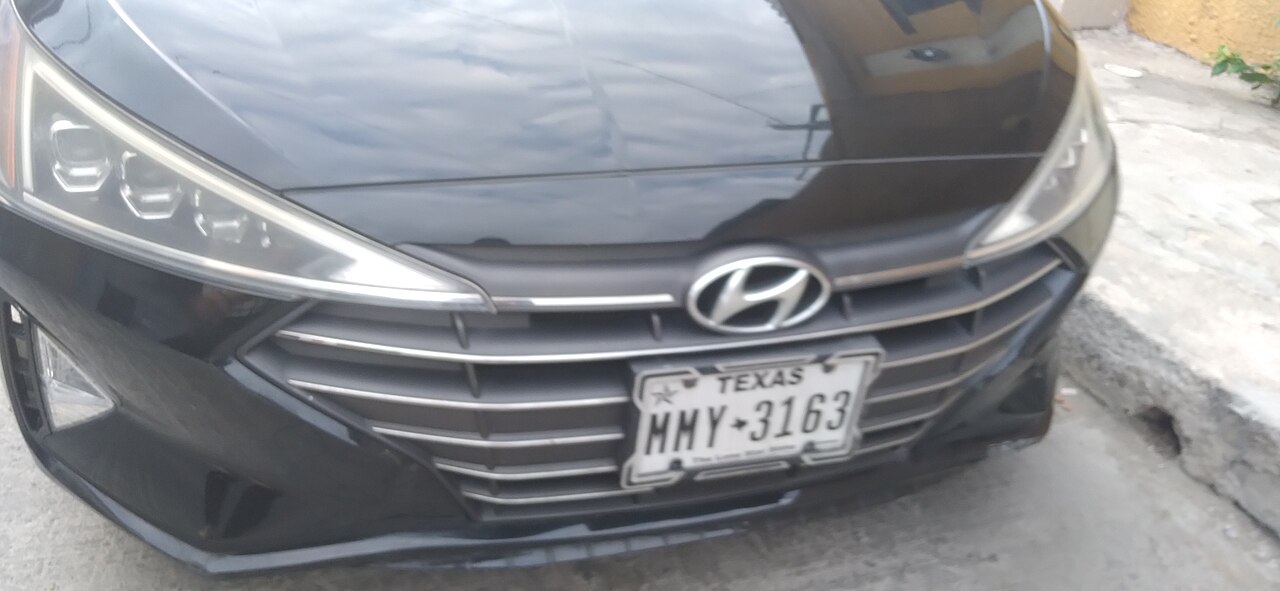
The renewal notice shows up in the mail with a month printed on it that matches the sticker on your windshield, and somewhere in the back of your mind a clock starts. For years, handling it meant a stop at the county tax office or the grocery-store substation, paperwork in hand. For most North Texans, that trip is now optional, and has been for a while.
Texas lets you renew vehicle registration online, by mail, through a state phone app, or in person, and the online route has a wider window than most drivers realize. Here is how it works, what the fees on the notice actually pay for, the one extra step DFW-county drivers still owe, and the situations where you genuinely do have to show up somewhere.
The 90-day head start
According to the Texas Department of Motor Vehicles, you can renew online starting 90 days before your expiration date, and as long as 12 months after it, provided you have not been ticketed for expired registration. Renewing early does not cost you anything: your expiration month stays the same, so a June sticker renewed in April is still good through next June.
Two online doors lead to the same place. The classic option is the TxDMV renewal site at renew.txdmv.gov, using the plate number and details from your notice. The newer one is Texas by Texas, or TxT, the state’s official app and web account, which stores your vehicles and nags you helpfully when renewal time comes around. Either way, plan ahead: the state holds online payments for two business days before printing the sticker and says to allow up to three weeks for processing and mailing. Cutting it to the last week is how people end up driving on an expired sticker waiting for the mail.
One thing first: the emissions test
Texas ended safety inspections for non-commercial vehicles on January 1, 2025, but that did not end inspections in the metroplex. TxDMV’s registration page is explicit: vehicles registered in 17 counties, including Dallas, Tarrant, Collin, Denton, Ellis, Johnson, Kaufman, Parker and Rockwall, must still pass an emissions inspection before registration can be renewed. The test result posts electronically in most cases, so the online system simply checks for a passing report when you renew. If the electronic record has not caught up, you can pull your Vehicle Inspection Report at mytxcar.org and renew through the county with it.
Practical upshot: get the emissions test done before you sit down to renew, not after the site rejects you.
What the fees on your notice pay for
The line items look fussy, but they are consistent. The base registration fee for cars and lighter pickups is $50.75 statewide, with heavier pickups between 6,001 and 10,000 pounds paying $54. A dollar rides along for TexasSure, the state’s electronic insurance-verification system, which is why the registration line typically prints as $51.75.
Then come the local add-ons, set by each county’s commissioners court: TxDMV says these range from zero to $31.50 depending on the county, made up of a road-and-bridge fee of up to $10, an optional transportation fee, and a child-safety fee of up to $1.50. A processing and handling fee of $4.75 covers the notice, sticker and system costs no matter how you renew. Fully electric vehicles pay an additional $200 annual fee at renewal. If the total on your notice differs from your neighbor’s in the next county over, the local fee is why.
The county tax office still matters
The sticker itself comes from your county, not Austin. In Dallas County, registration is handled by the county tax office and its branch locations, and it is the county that mails your sticker after an online renewal. That makes the county office your first call if a sticker goes missing; replacements run $6.50 with the automation fee, through the tax office. You can also track a sticker in transit at the TxDMV’s Where’s My Sticker tool using your plate and the last four of the VIN.
Renewing by mail still works too: send the notice stub, proof of insurance, a copy of your inspection report if your county requires emissions, and payment to your county tax office.
When you actually have to show up
A few situations still require a human. If your registration has been expired more than 12 months, or you have received a citation for expired registration, the online door closes and you will need the county tax office. If you never got a renewal notice, you can skip the wait by bringing your plate number, VIN or last year’s receipt, plus photo ID and proof of insurance, to the tax office or an approved substation. And brand-new-to-Texas vehicles register in person the first time; online renewal is for keeping an existing registration alive.
One grace note worth knowing, straight from TxDMV’s FAQ: after your registration expires, you may legally drive the vehicle for up to five working days before you can be cited, and the citation after that can run up to $200. Five days is a buffer for the forgetful, not a plan.
The five-minute version
Check the sticker month. Get the emissions test if you are in Dallas, Tarrant or the surrounding counties on the list. Renew online at renew.txdmv.gov or in the TxT app anytime in the 90 days before expiration, and give the mail up to three weeks. Total time at a counter: zero, which for anyone who remembers the old first-of-the-month line at the tax office is its own small North Texas miracle.
This article was produced with AI assistance and reviewed by a human editor. Figures are linked to their primary sources; where a claim could not be verified from the public record, we say so.
Leave a Reply