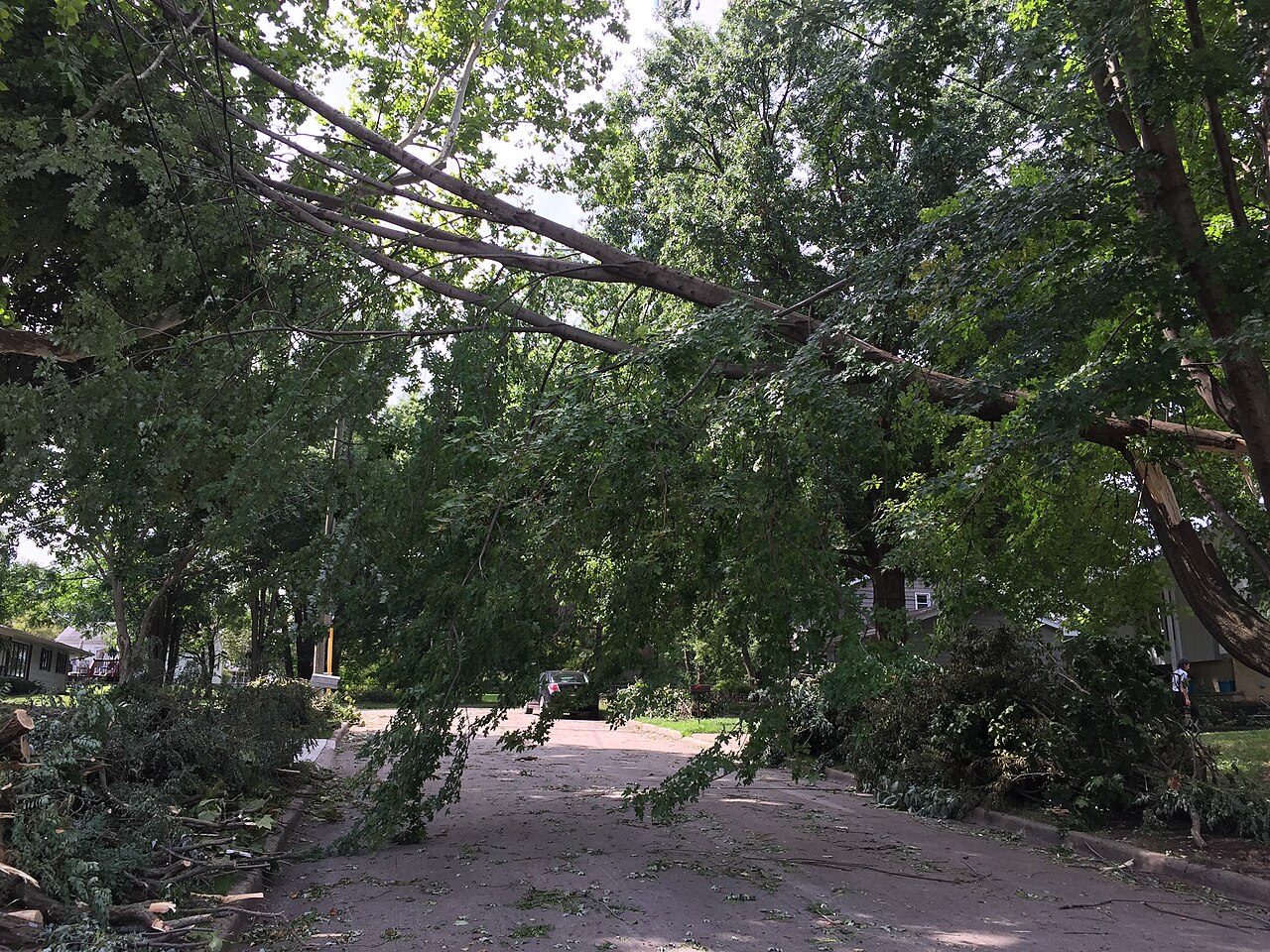
Drive any Dallas neighborhood on a Sunday evening and you can read the sanitation calendar in the front yards: one street lined with limb piles and tired mattresses, the next street bare. The pile-lined street has its collection week starting Monday. The bare one either already had its turn or, more expensively, has residents about to learn what an orange tag means.
Dallas gives every single-family address one brush and bulky item collection week each month, and the rules around it are specific enough that guessing wrong can cost you $60 or more. Here is how the system works, straight from the city’s own rulebook.
One week a month, and it is not the same as trash day
Your rollcart gets emptied weekly. Brush and bulky items, meaning everything too big for the cart, run on a separate monthly cycle. Each address is assigned one collection week per month, and crews sweep through sometime during that week, not on a promised day. You can find your assigned week through the lookup on the Sanitation Department’s brush and bulky page, which also carries the printable annual calendar.
Timing your set-out matters as much as knowing the week. The city’s rule: place materials at the curb between the Thursday and Sunday before your collection week begins. Earlier than that is an early set-out, which is a code violation that can draw enforcement. Wait too long, past the point the truck rolls down your street, and the pile sits until next month.
The 10 cubic yard limit, in plain terms
The monthly allowance is 10 cubic yards per household. Picture a pile roughly the size of two full-size pickup beds heaped high, or a stack about 6 feet deep, 9 feet wide and 5 feet tall. That covers a serious pruning job or a room’s worth of old furniture, but not a whole-house cleanout or a major tree removal.
Once a calendar year, you can go bigger: the city allows a single oversize collection of up to 20 cubic yards, but only if you request it in advance through Dallas 311, online, in the app, or by dialing 3-1-1. The request has to go in the week before your collection week, no later than 11:59 p.m. the Sunday before a Monday-start week, and once submitted it cannot be canceled.
What crews take, and what they leave
Accepted: tree limbs and shrubbery in pieces no more than 8 inches thick or 10 feet long, bagged and tied grass clippings and leaves, household furniture, carpet, mattresses, toilets, bikes and toys, and appliances that do not contain coolant or fuel, which means stoves, washers, dryers and water heaters are fine.
Not accepted, per the city’s rules: bagged household garbage that could fit in your rollcart, construction and demolition debris like brick, concrete, lumber and shingles, dirt and sod, tires and auto parts, electronics, paints and chemicals, glass panes and mirrors, anything with protruding nails, and any appliance containing coolant, so refrigerators, freezers and air conditioners stay put. Those items have separate disposal routes through the city’s transfer stations and household chemical collection program.
Placement has its own geometry. Pile everything just behind the curb directly in front of your house, not in the street or alley, not on the sidewalk, and at least 5 feet clear of rollcarts, mailboxes, fences, water meters, parked cars, hydrants, poles and signs. Nothing goes under low tree limbs or power lines, because the collection is done by a truck with a grapple arm that needs a clean vertical grab. If the claw cannot reach your pile safely, the crew leaves it.
The $60 lesson: oversize and non-compliant piles
Here is the part that surprises people. Crews will usually still collect a pile that breaks the rules, but the city bills the account automatically at $60 per 5 cubic yards, in 5 cubic yard increments, for anything past the limit or containing prohibited material. An orange tag on your pile means a violation was flagged that must be fixed before service. Early, oversize and non-compliant set-outs can also draw citations on top of the collection charge, under Chapter 18 of the Dallas City Code. The overage math turns a casual “pile it all out there” cleanout into a triple-digit line on your water bill, so measure twice.
Renters, storms, and the fine print
The service comes with residential sanitation accounts for houses and duplexes; apartments and businesses are excluded and use private haulers. After major storms, the city sometimes runs special debris operations with different rules, announced through the city’s channels, and the monthly limit applies to normal months rather than declared disaster sweeps.
The system rewards ten minutes of planning. Look up your week, stage the pile the weekend before, keep it under two pickup beds’ worth, and split anything questionable off for the transfer station. Do that, and the biggest junk problem at your house disappears twelve times a year for no extra charge.
This article was produced with AI assistance and reviewed by a human editor. Figures are linked to their primary sources; where a claim could not be verified from the public record, we say so.
Leave a Reply