Maybe it is the code complaint history on the vacant house next door. Maybe it is the traffic study behind the new stop sign, the police calls to a property you are about to rent, or what the city actually paid a contractor to resurface your street. Whatever it is, if the City of Dallas wrote it down, the starting assumption under Texas law is that you are entitled to see it.
That assumption has a name, the Texas Public Information Act, and using it requires no lawyer, no fee to file, and no explanation of why you want to know. Here is how to write a request the city can answer quickly, and what your rights are when the answer is slow or incomplete.
The law: Chapter 552 presumes you get the records
The Public Information Act, Chapter 552 of the Texas Government Code, applies to cities, counties, school districts and state agencies alike. Its core rules, laid out in the Texas Attorney General’s guide to requesting public information, are refreshingly blunt: government information is presumed open, a governmental body cannot ask why you want it, and officials must produce it promptly. Exceptions exist, for things like ongoing investigations, certain personnel records and attorney-client material, but the burden sits on the government to justify withholding, not on you to justify asking.
Two boundaries to know before you write. The Act covers records that already exist; the city is not required to answer questions, do research, or create a new document to satisfy a request. And since 2019, state law says requests count only when delivered by specific channels: mail, email, hand delivery, or another method the governmental body has formally approved, such as an online portal.
Where Dallas takes requests
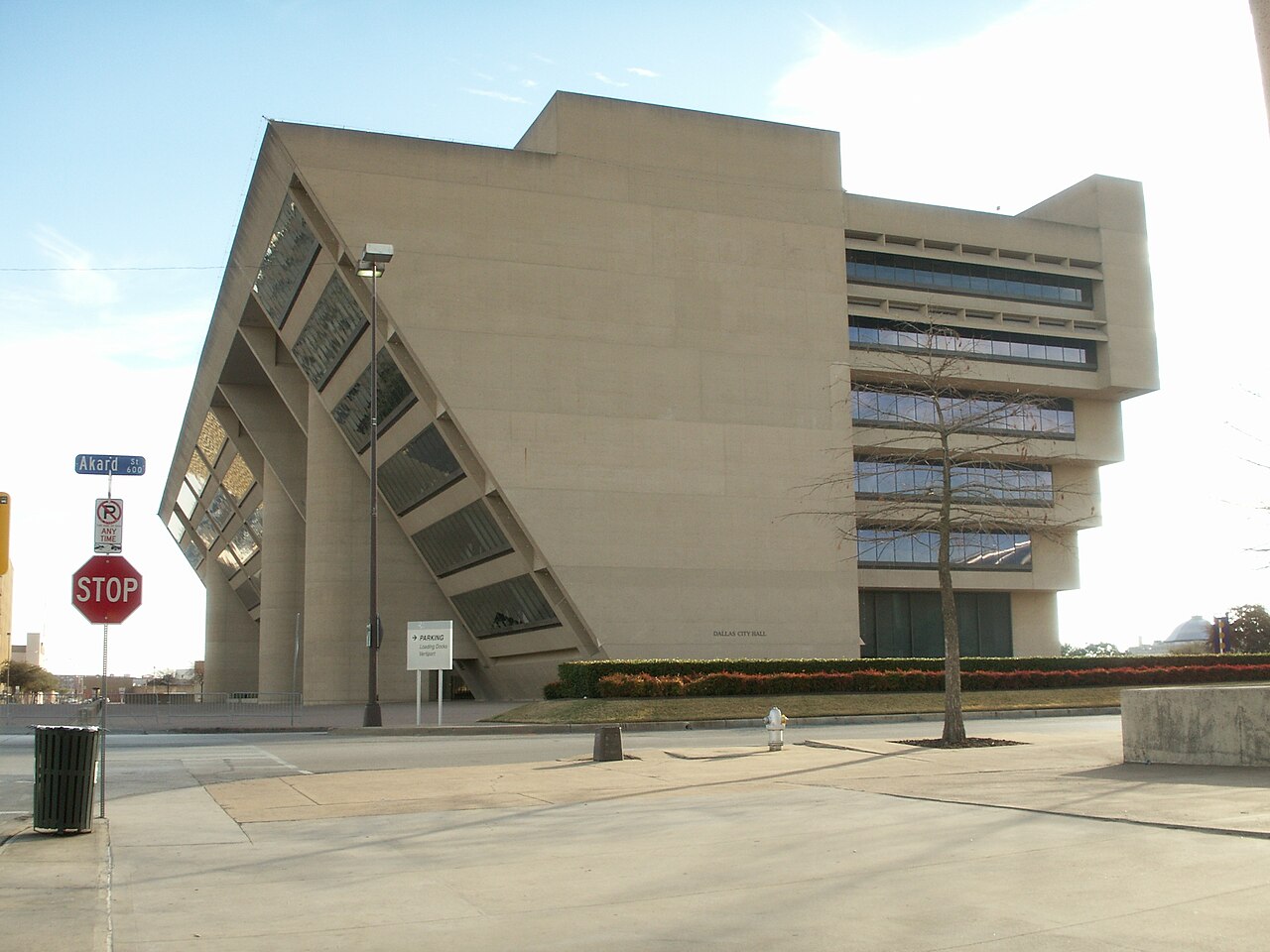
The City of Dallas routes public information requests through the City Secretary’s Office, and the easiest channel is the city’s online Open Records Center portal, where you create a free account, submit the request, and track its status. The city also accepts requests by email to [email protected] and by mail or hand delivery to the Open Records Center at the City Secretary’s Office on the fifth floor of City Hall, 1500 Marilla St. The city’s Public Information Act page lays out the options. One carve-out: police reports and body camera footage have their own request routes through the Dallas Police Department, so records that live with DPD go there rather than through the general portal.
The portal is worth using even if email feels easier, because it timestamps everything, keeps the correspondence in one thread, and gives you a record if you later need to complain that deadlines slipped.
How to write a request that comes back fast
The speed of your response is mostly determined by how you write the request. Three habits make the difference.
Be specific and narrow. “All emails about Fair Park” invites a months-long fight over scope and cost. “Code compliance complaints and inspection reports for 123 Main St. from January 2024 to the present” can be pulled in days. Name the records, the address or project, and a date range.
Ask for electronic copies. Requesting records “in electronic format, by email or through the portal” usually avoids copy charges entirely and skips the trip downtown. Charges are governed by Attorney General cost rules; small electronic productions commonly cost nothing, while big paper or programming-heavy jobs generate an itemized estimate you must approve before the city proceeds. If an estimate surprises you, narrowing the request is almost always the fix.
Keep it a records request, not a complaint letter. Save the argument for another channel; a clean one-paragraph request with your contact information moves through the system with nothing to slow it down.
The clock: what “10 business days” really means
The famous deadline is real but often misread. The Act requires the city to respond promptly, which the law treats as without unreasonable delay. If the city cannot produce the records within 10 business days, it must tell you in writing and set a reasonable date when it will. And if the city believes an exception lets it withhold something, it generally must ask the Attorney General for a ruling within 10 business days of your request, notifying you that it has done so. Silence past the deadline is not an option the law gives them.
The full mechanics, including every exception, live in the AG’s Public Information Act Handbook, a surprisingly readable reference when a dispute gets technical.
If the city stalls
You are not without recourse. The Attorney General’s Open Government Hotline, 877-673-6839, answers questions from the public about their rights under the Act, and the AG’s office takes formal complaints when a governmental body blows deadlines or ignores a request. Keep copies of your request and the city’s receipt; the portal does this automatically. Most requests never need any of this. Dallas processes thousands of them a year, and the routine ones, a specific address, a specific document, a defined date range, come back without drama. The Act works best when residents treat it as what it is: not a confrontation, but a standing right to look at your own government’s paperwork.
This article was produced with AI assistance and reviewed by a human editor. Figures are linked to their primary sources; where a claim could not be verified from the public record, we say so.
Leave a Reply