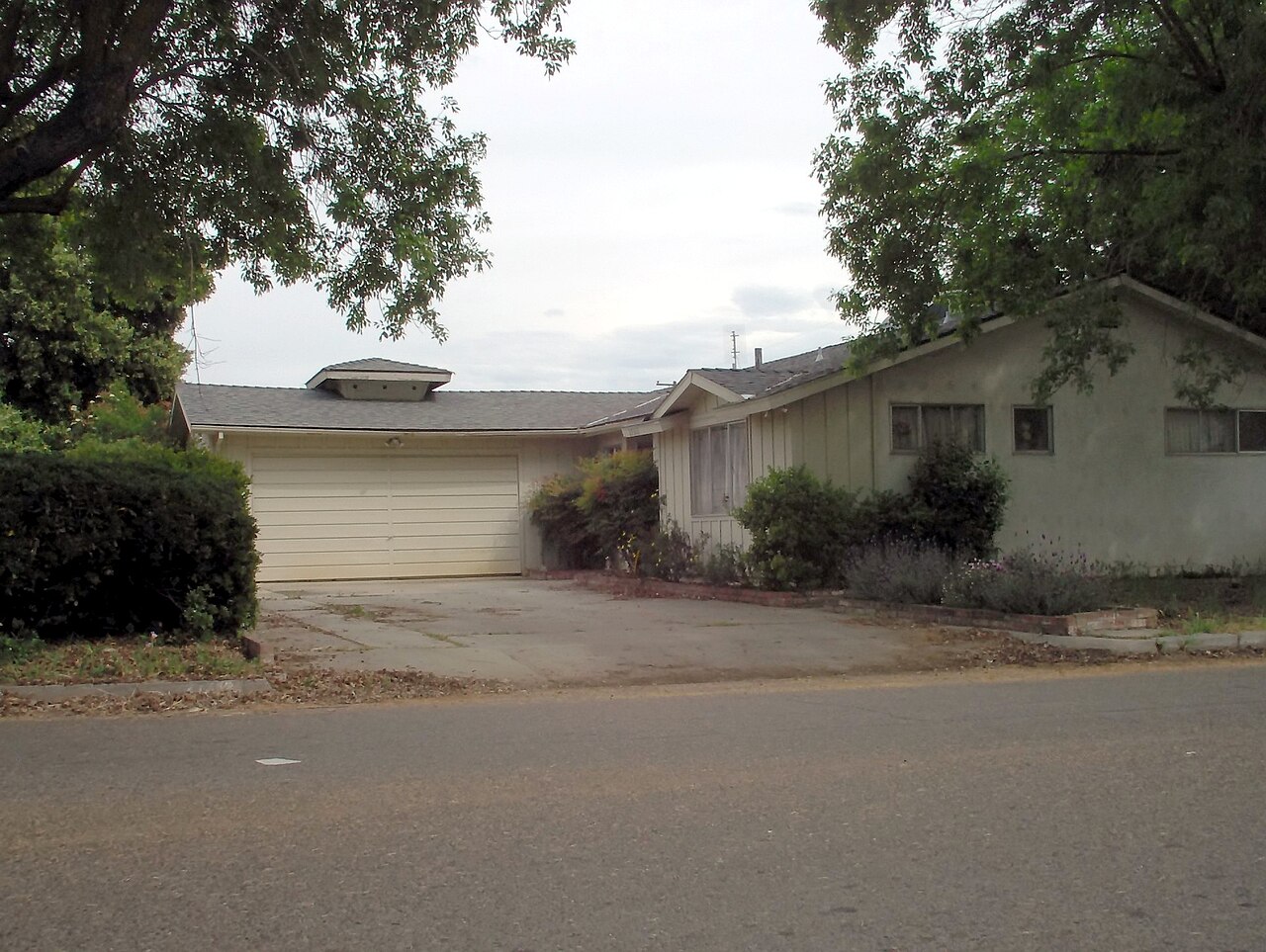
There is a version of the property tax squeeze that plays out quietly in older Dallas and Fort Worth neighborhoods every year: a homeowner in her 70s, house paid off decades ago, watches the tax bill climb past what her fixed income can comfortably cover. She has heard about payment plans and exemptions, but not about the one tool written into state law specifically for her situation: she can simply stop paying, legally, for as long as she lives in the house.
That tool is the tax deferral in Section 33.06 of the Texas Tax Code, and it is one of the least understood options in the whole property tax system. This piece walks through what it actually does, what it costs, and why it deserves a family conversation before you sign.
What a deferral actually is
A deferral is a legal pause, not a discount. If you are 65 or older, or you qualify as disabled, or you are a qualifying disabled veteran, you can file a short affidavit with your appraisal district that postpones collection of the property taxes on your residence homestead. Once it is on file, the county tax office cannot sue you over the deferred taxes, and the taxing units cannot foreclose on the home for them, for as long as you own the house and live in it.
The taxes do not go away. Every year’s bill keeps accruing against the property, and the state adds interest. But no one can take the house from you over unpaid property taxes while the deferral is active. For a homeowner who is house-rich and income-poor, that is the whole point: it converts a bill that could snowball into a foreclosure into a debt that settles up later, usually out of the home’s value when it eventually sells.
Who qualifies, and on what property
The deferral is available to homeowners 65 or older and to homeowners who meet the tax code’s disability definition, but only on the home that carries your residence homestead exemption. Rental houses, second homes, and inherited property you do not live in are not eligible, a limit the nonprofit legal-aid site TexasLawHelp spells out plainly. If you have not filed your homestead exemption yet, do that first; it is free, and the over-65 exemption and school tax ceiling will likely cut the bill you are thinking of deferring.
The price tag: 5 percent interest, forever accruing
Deferred taxes accrue interest at 5 percent a year under Section 33.06, in place of the much harsher delinquency penalties and interest that normally stack up on late property taxes. No additional penalties are charged while the deferral is in effect. Five percent simple interest is far cheaper than what a delinquent taxpayer pays, and cheaper than most borrowing a retiree could arrange against the house. But it compounds the debt year after year, and on a $6,000 annual tax bill deferred for a decade, the accumulated taxes plus interest become a serious claim against the estate.
That claim takes the form of a tax lien, which stays attached to the property throughout the deferral. You keep the title and you can still leave the house to your heirs. They just inherit the accumulated bill along with it.
What happens when the deferral ends
The deferral lasts as long as you own and occupy the home as your homestead. It ends when the home sells, when you move away permanently, or at death, though a surviving spouse who is 55 or older and lives in the home may be able to continue it. After the deferral ends, state law gives the estate or the heirs a 180-day window before the taxing units can resume collection or file suit; on the 181st day, the ordinary delinquency machinery restarts. In practice, families use that window to sell the house or refinance and pay the accumulated taxes from the proceeds.
One important caveat for anyone still carrying a mortgage: a deferral binds the tax collectors, not your lender. If your loan agreement requires taxes to be paid through escrow, the deferral does not rewrite that contract, and a lender can treat unpaid taxes as a default. Homeowners with a mortgage or a reverse mortgage should talk with the lender before filing.
How to file in Dallas, Tarrant, Collin, or Denton counties
The paperwork is a single form, the Comptroller’s Tax Deferral Affidavit, Form 50-126, filed with the appraisal district for the county where the home sits. For Dallas County that is DCAD; Tarrant County homeowners file with TAD, and Collin and Denton counties have their own appraisal districts. There is no fee, and you do not need a lawyer or any of the companies that advertise help with senior tax problems. The affidavit must be notarized, and you file it once; it stays in effect as long as you qualify.
A deferral can also stop a delinquency already in motion. If deferred-eligible taxes have gone unpaid and a collection suit or a tax sale is looming, filing the affidavit halts the proceeding on the homestead.
Is it the right move?
Think of the deferral as the backstop, not the first resort. Check first that you are getting every exemption you qualify for, since the over-65 school exemption and tax ceiling shrink the bill permanently at no cost. Ask your county tax office about installment payments for over-65 homeowners, which spread the bill without any lien growing in the background. But if the honest math says the tax bill and the grocery bill cannot both be paid, Section 33.06 exists precisely so that no Texan is forced out of a paid-off house by the taxes on it. Talk it over with your family, because they are the ones who will settle the tab, and then file the one-page form.
This article was produced with AI assistance and reviewed by a human editor. Figures are linked to their primary sources; where a claim could not be verified from the public record, we say so.
Leave a Reply