Every North Texan who lived through February 2021 carries the phrase “rolling outages” a little differently now. So when a summer conservation appeal pops up on the news crawl, it is fair to want the real answer to the question behind the question: how close are we, actually, to the lights going out, and who decides whose block goes dark?
The process is more orderly and more transparent than most people assume. Here is the ladder ERCOT climbs before any outage happens, what each rung means for your house, and how Oncor decides where the interruptions land in DFW.
Who does what: ERCOT orders, Oncor executes
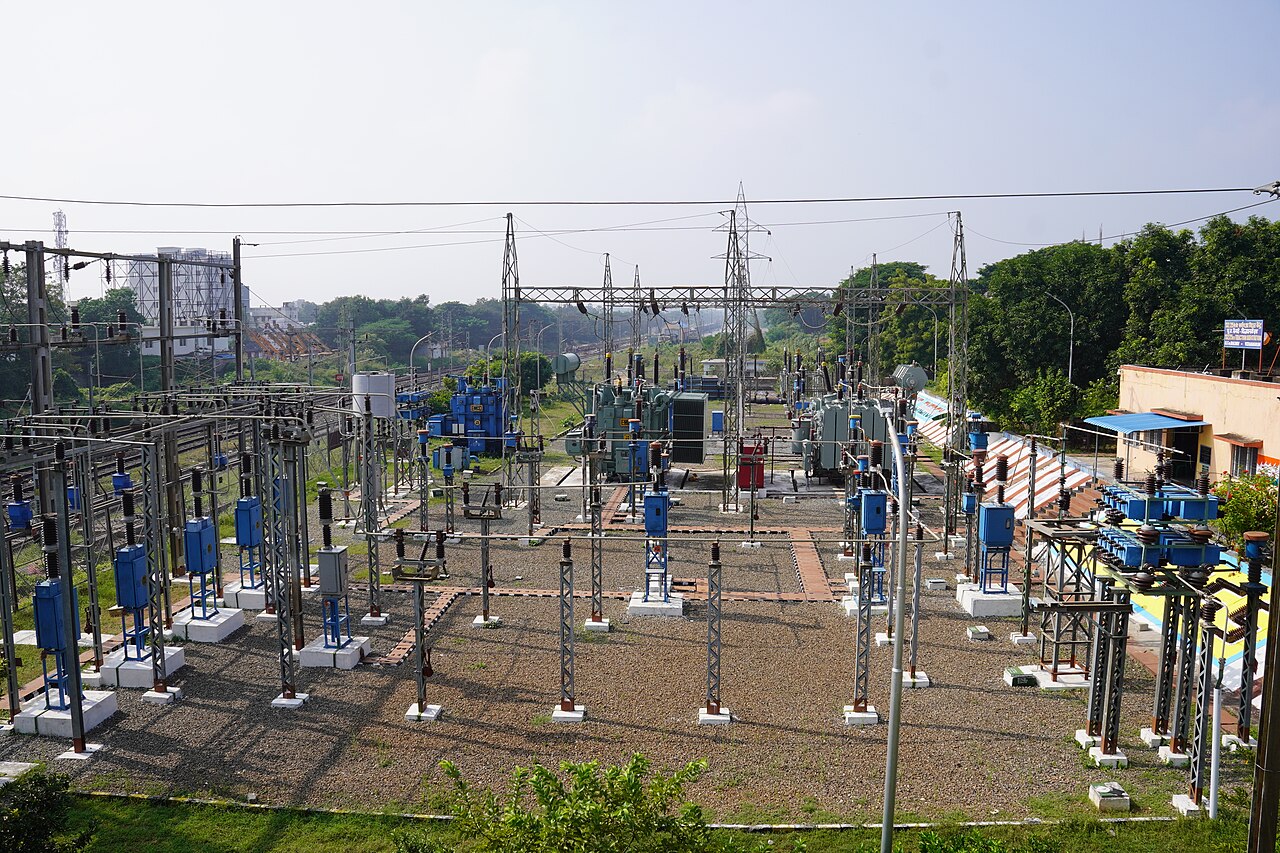
ERCOT, the Electric Reliability Council of Texas, operates the grid for about 90 percent of the state’s load. It does not own lines and cannot turn off your power. What it can do is order transmission utilities to reduce demand by a set number of megawatts. In most of Dallas-Fort Worth, the utility that owns the poles and wires and physically carries out that order is Oncor, no matter which retail company sends your bill. Oncor’s own load-shed guide describes controlled outages as the last resort, used only when every other tool to balance the grid has been exhausted.
The ladder: conservation appeals and three alert levels
Trouble on the grid announces itself in stages. Before any emergency is declared, ERCOT may issue a Weather Watch for a stretch of forecast strain, and then a voluntary conservation appeal asking Texans to trim use during the tight hours. An appeal is not a warning that outages are imminent; it is the grid operator trying to avoid ever reaching the emergency steps.
If reserves keep shrinking, ERCOT enters emergency operations through three Energy Emergency Alert levels. At EEA 1, declared when operating reserves fall below 2,500 megawatts and are not expected to recover within half an hour, ERCOT gains access to extra power sources that are only available in emergencies. At EEA 2, reserves have dropped below 2,000 megawatts, and ERCOT can call on large industrial customers that are paid to shut down and can ask for every remaining megawatt from neighboring grids. Even at level 2, no household outages have been ordered.
Only at EEA 3, when reserves fall below 1,500 megawatts or the grid’s frequency starts to sag, does ERCOT direct utilities to begin controlled outages. The purpose is brutal but simple arithmetic: if demand is not cut fast, the whole interconnection can collapse into an uncontrolled blackout that takes days or weeks to restore. Shedding a manageable slice of load protects the rest.
How Oncor rotates outages across DFW
When the order comes, ERCOT tells Oncor how many megawatts to drop, not which neighborhoods. Oncor sheds that amount by opening distribution circuits, then rotates: in a functioning rotation, each circuit is typically out for roughly 15 to 45 minutes before power shifts to another set of circuits, per Oncor’s load-shed materials. The February 2021 emergency broke that model because the shortfall was so large and lasted so long that there were not enough circuits available to rotate through, which is why some homes sat dark for days. That failure is the exception the system is designed to avoid, not the design itself.
Why your neighbor’s lights stay on
The most common grievance during rotating outages is the block two streets over that never went dark. There is usually a reason. Circuits that feed hospitals, 911 centers, water treatment plants and other critical infrastructure are excluded from rotation, and any home or business sharing a circuit with one of those facilities is effectively excluded too. Some circuits also cannot be dropped without destabilizing the local network. The practical upshot, which Oncor acknowledges, is that customers far from critical facilities can see more and longer interruptions than customers near them. It is not favoritism by ZIP code; it is the geometry of the wires.
If someone in your home depends on electric medical equipment, do not count on being spared. Ask your retail electric provider about Oncor’s critical care registration, which flags the account for notifications, but note that even registered homes are told to keep a backup plan, because registration does not guarantee uninterrupted power in an emergency.
What to do when the ladder starts climbing
During a conservation appeal, the highest-impact household moves are the boring ones: nudge the thermostat up a few degrees, delay the dishwasher, dryer and oven until later in the evening, and avoid charging an EV during the tight window. Air conditioning dominates summer demand, so small thermostat moves across millions of homes genuinely change the math.
If an EEA 3 arrives, charge phones and backup batteries early, know how to open your garage door manually, and treat every downed line as energized. Outage status and restoration estimates run through Oncor’s outage map and text alerts rather than your retail provider. And keep perspective: ERCOT has declared conservation appeals many times without ever reaching EEA 3, and the alert ladder exists precisely so that the last rung is almost never used.
This article was produced with AI assistance and reviewed by a human editor. Figures are linked to their primary sources; where a claim could not be verified from the public record, we say so.

Leave a Reply