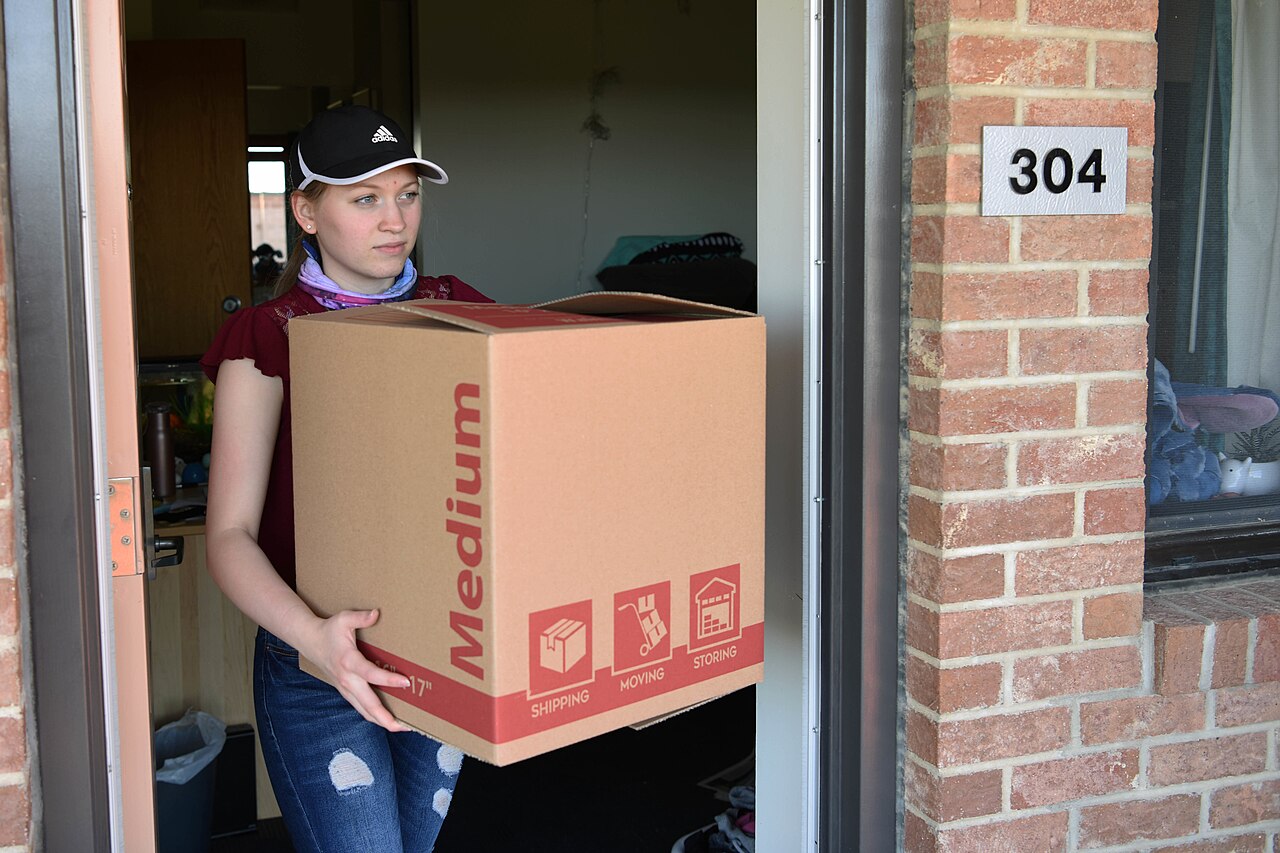
Moving season in DFW means U-Haul trucks double-parked outside apartment complexes from Lake Highlands to south Arlington, and a few weeks later, the same question in a thousand households: where is my deposit? With one-bedroom deposits commonly running several hundred dollars and up, that check is real money, and whether you see it again is governed by a specific chapter of state law, not by whatever the leasing office feels like doing.
Chapter 92 of the Texas Property Code sets the deadlines, the itemization rules and the penalties. Renters who know four or five of its provisions get their money back far more often than renters who just hope. Here is what the law says and how to use it.
The 30-day clock
Under Section 92.103 of the Property Code, a landlord must refund your security deposit on or before the 30th day after you surrender the unit, meaning you have moved out and turned in the keys. If the landlord keeps any of it, Section 92.104 requires a written, itemized list describing each deduction, with one exception: no itemization is owed if you still owe rent and there is no dispute about the amount.
Deductions must be for actual damages or charges you are responsible for under the lease. The law is explicit that a landlord may not deduct for normal wear and tear, the ordinary dulling that comes from simply living somewhere: traffic patterns in carpet, small nail holes from pictures, faded paint. A hole punched in a door is damage; four years of sun on the blinds is not.
The forwarding-address step renters skip
Here is the trap that eats more deposits than any scheming landlord: Section 92.107 says the landlord is not obligated to send the refund or the itemized list until you have given a forwarding address in writing. You do not forfeit the deposit by forgetting, but the clock does not effectively work for you until the landlord knows where to mail the check.
So make it official. Before or as you move out, hand over your new address in writing and keep a copy, or send it by email and certified mail so there is a record and a date. The Texas Attorney General’s renters’ rights page flags this exact step for a reason: without it, “I never got your address” becomes the landlord’s entire defense.
One more paperwork wrinkle: some leases require 30 or 60 days’ advance notice of move-out as a condition of refunding the deposit. Texas law only allows that condition to be enforced if it appears conspicuously in the lease, in bold or underlined print. Check your lease for it now, not the week you move.
What bad faith costs a landlord
The Property Code gives its deposit rules real teeth. Under Section 92.109, a landlord who keeps a deposit in bad faith owes the tenant $100 plus three times the amount wrongfully withheld, plus reasonable attorney’s fees. And the burden tilts your way: if the landlord fails to refund or to provide the itemized list within 30 days, the law presumes bad faith, and it is the landlord who must prove otherwise.
The street works both ways. Section 92.108 says a tenant may not simply skip the last month’s rent and tell the landlord to keep the deposit; a tenant who does that in bad faith can be liable for three times the rent withheld plus fees. Pay the last month, then collect your deposit properly.
Build your evidence before there is a fight
Deposit disputes are almost always about the condition of the unit, and the side with photographs wins. On move-in day, photograph every room, every stain, every chipped tile, and email the file to yourself or the landlord so it carries a date. Do the same on move-out day after the place is cleaned and empty. If your complex offers a walk-through inspection, take it, and ask for the checklist in writing.
When a deduction list arrives that you think is padded, dispute it in writing, item by item, and keep your tone factual: here is the move-out photo of that carpet, here is the move-in photo showing the stain predates me. The Texas State Law Library’s plain-language guide walks through the statute section by section if you want to quote chapter and verse.
If the check never comes
Start with a formal demand letter: state the surrender date, the date you provided your forwarding address, the amount owed, and cite Sections 92.103 and 92.109, including the $100-plus-triple-damages penalty. A surprising number of deposits appear within two weeks of a letter like that. TexasLawHelp.org, the state-supported legal aid site, has templates and answers for common situations.
If that fails, justice court, what most people call small claims, is built for exactly this. Filing fees are modest, no lawyer is required, and justice courts hear claims up to $20,000, which covers any deposit dispute in town, tripled or not. Dallas, Tarrant, Collin and Denton counties all have justice of the peace courts by precinct; you sue in the precinct where the property sits. Bring the lease, the photos, the written forwarding address and the demand letter, and let the statute do the talking.
This article was produced with AI assistance and reviewed by a human editor. Figures are linked to their primary sources; where a claim could not be verified from the public record, we say so.

Leave a Reply