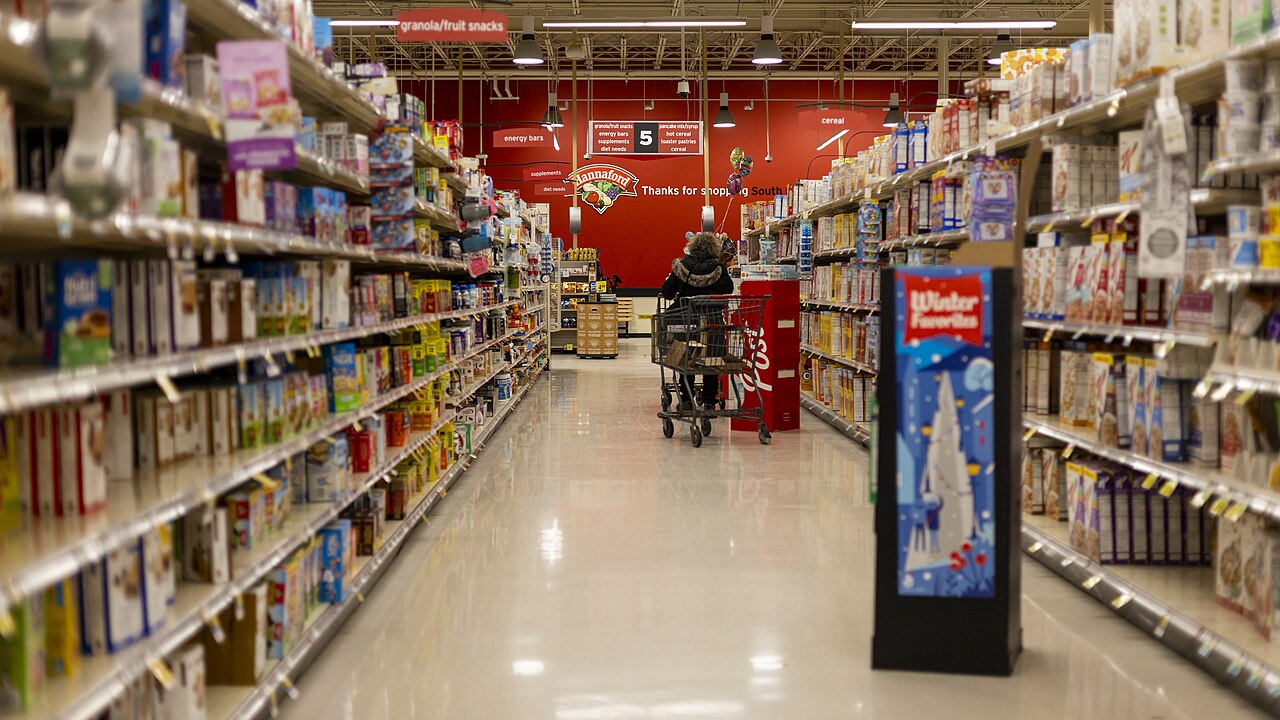
Stand at a register at any H-E-B, Kroger, WinCo or Fiesta in the metro and watch two carts check out. One rings up with almost no tax at all. The other, roughly the same dollar total, picks up several dollars of it. Nobody behind the register decided that; a very specific set of state rules did, and the rules are identical at every store in Texas, from the corner tienda in Oak Cliff to the big-box club in Frisco. Once you know them, you can read your own receipt like a pro, and shave a little off it.
The starting point is friendly: Texas exempts food products for home consumption from sales tax under the state Tax Code. Your staples (bread, milk, eggs, meat, produce, flour, rice, beans, cheese, cereal, coffee) are all tax-free. The interesting part is the list of exceptions, which the Comptroller lays out for stores in Publication 96-280, Grocery and Convenience Stores. Here is where the tax sneaks back in.
1. Soft drinks, including that sweet tea
Soft drinks are taxable, and the definition is wider than “soda.” Carbonated or not, if it is a sweetened drink, it is generally taxed, which catches canned and bottled teas with sugar or artificial sweetener, sports drinks, and fruit “drinks” that are mostly not juice. Plain bottled water, plain milk, and 100 percent juice stay on the exempt side. The practical DFW translation: the case of Dr Pepper is taxed; the gallon of milk next to it is not, and a jug of unsweetened tea you sweeten at home beats the pre-sweetened one on tax alone.
2. Candy, defined more broadly than the candy aisle
Candy is taxable, and the rule follows the coating, not the shelf. Per the Comptroller’s list, nuts and fruits that have been candied, glazed, crystallized or coated in chocolate, yogurt or caramel count as candy, as do nuts roasted with a sweetener. So the chocolate-covered almonds in the “healthy snacks” section are taxed while the plain roasted almonds beside them are not. Same nut, different jacket, different receipt.
3. The snack-size rule
This one produces the strangest register moments in Texas. Snack items (think chips, trail mix, granola bars and similar) are taxable only when sold in an individual-sized portion: a package containing less than 2.5 ounces, or one labeled as a single serving. The family-size bag of the exact same chips is tax-free. Buy the single-serve bag at a convenience store on Forest Lane and you pay tax; buy the party bag at the grocery store and you do not. If you routinely toss the little bags into lunchboxes, buying big and portioning at home dodges the tax entirely.
4. Hot, prepared, or handed to you with a fork
Anything the store sells ready to eat as a meal is taxed like restaurant food: the hot rotisserie chicken, the fajita bar, sandwiches, the salad assembled at the deli counter. Heat is the trigger for some items and service is the trigger for others. Bakery goods show the line neatly: donuts, kolaches, tortillas and pan dulce are tax-free when you buy them cold or unaccompanied, but if the store heats them for you or hands them over with plates and utensils, they become taxable prepared food. A dozen kolaches to go: no tax. The same kolache warmed up with a plate at the in-store café: taxed.
What the tax actually costs you
When an item is taxable, most of Dallas-Fort Worth pays the state’s 6.25 percent plus up to 2 percent in local sales tax, for the familiar 8.25 percent combined ceiling. On a cart with $40 of sodas, candy, single-serve snacks and hot food, that is about $3.30, every week, quietly, forever. Reworking even half of those items into their exempt cousins (big bags, plain nuts, unsweetened drinks, cook-it-yourself instead of hot case) is one of the few grocery savings that requires no coupon and never expires.
Two footnotes worth knowing
Lone Star Card purchases are not taxed. Under the federal rules governing SNAP, eligible items bought with SNAP benefits are exempt from sales tax even when the same item would normally be taxable, a point the Comptroller’s grocery publication covers for retailers. If part of your grocery budget runs through a Lone Star Card, the snack-size and soft-drink rules above do not add tax to those items.
The register is usually right, but not always. Stores program these rules by barcode, and mistakes happen, especially on borderline items like sweetened versus unsweetened drinks. If something rings up wrong, customer service can fix it on the spot. Now you will actually know which way “wrong” points.
This article was produced with AI assistance and reviewed by a human editor. Figures are linked to their primary sources; where a claim could not be verified from the public record, we say so.
Leave a Reply