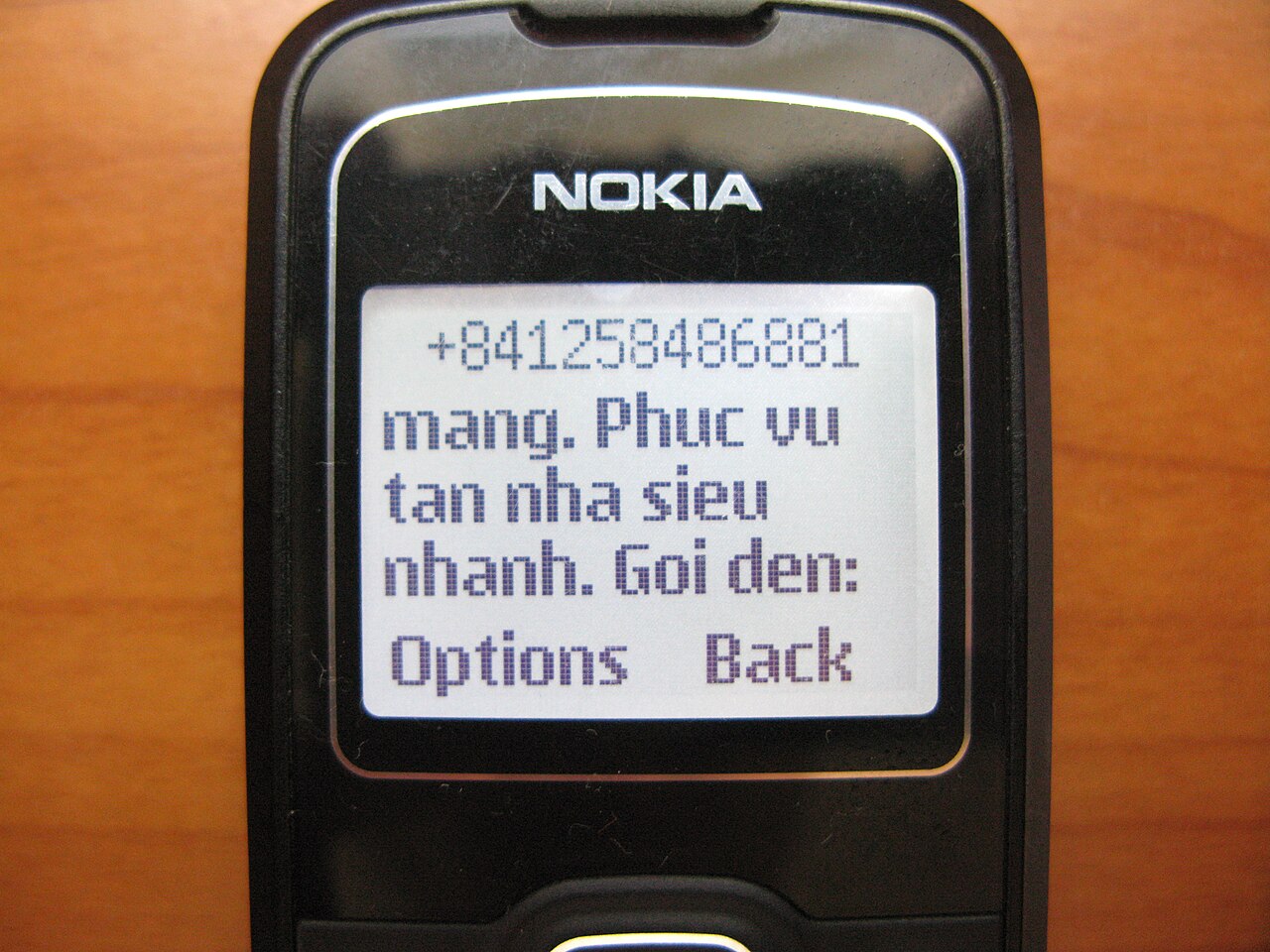
The call comes on a 101-degree afternoon, which is not an accident. The voice says it is “the electric company,” your account is past due, and a truck is already scheduled to disconnect your service within the hour. There is one way to stop it: pay right now, over the phone, usually with a prepaid card, a gift card, or a payment app. The caller ID might even say Oncor. The recording sounds like a real utility phone tree.
It is a script, it circulates through North Texas every summer, and the whole thing collapses the moment you know one fact: that is not how electricity disconnection works in Texas. Not the timing, not the phone call, not the payment method. Here is what really happens when a bill goes unpaid, and what to do when this caller finds your number.
The tell: nobody legitimate collects money to stop a truck
Start with the wires company. In most of Dallas-Fort Worth, Oncor delivers the power no matter which retail provider sends your bill, and Oncor is blunt about this scam: it never collects money to avoid a disconnection, and it never asks anyone to pay by prepaid debit card, gift card, cryptocurrency or a third-party payment app. Anyone requesting payment “on behalf of Oncor” is a red flag by definition. If you want to verify a person claiming to be an Oncor employee, the company says to call it directly at 888-313-6862.
Your retail provider, the company whose name is actually on your bill, does not operate this way either. Disconnection for non-payment in Texas is a paper process governed by Public Utility Commission rules: you get a written disconnection notice with a stated date, sent in advance, with time to pay or make arrangements. A same-day phone ultimatum is not part of any legitimate collection process. The demand for gift cards or a wire is the final giveaway; as the Texas Attorney General’s consumer guidance puts it, untraceable payment on the spot is the signature of a phone scam, not a bill.
The summer heat rule scammers hope you don’t know
The scam leans on fear of losing air conditioning in dangerous heat. Texas rules run the other direction. PUCT consumer protections prohibit disconnection for non-payment during an extreme weather emergency, which in summer means days when the National Weather Service has a heat advisory in effect for your county, or has had one on the two preceding days. Providers must also offer a deferred payment plan for bills that come due during such an emergency, letting you spread the balance rather than lose service.
In other words: on exactly the sort of scorching afternoon when this caller claims a truck is en route, the rules make a non-payment disconnection least likely. The threat is engineered to prevent you from thinking that through.
What to do while the caller is still talking
Hang up. Not rude, just correct. Do not press buttons, do not confirm your name or address, do not “verify” your account number. Every second of engagement marks your number as live.
Call the number on your actual bill. If any part of you wonders whether your account really is behind, look at your paper bill or provider app and call that number, never one the caller provides or texts you. Your provider can tell you your true balance in a minute. If the story involved Oncor, use the 888-313-6862 line.
Never pay a utility with a gift card. No real provider in Texas accepts them. The moment those digits are read aloud, the money is gone, and no bank can claw it back.
Warn the household. These crews work lists, and they love reaching an older relative or a teenager home alone. Agree on a family rule: nobody pays anything to an inbound caller, ever. Real bills can always wait for a callback to the official number.
Where to report it
Reporting feels futile; it is not. Complaint volume is how enforcement offices spot which scripts and spoofed numbers are hitting which neighborhoods. File with the Texas Attorney General’s consumer complaint portal or call the AG’s consumer protection line at 800-621-0508. If the scam invoked Oncor’s name, report it to Oncor as well; if it invoked your retail provider, tell them too, since both track impersonation waves.
And if you did pay before reading this, do not let embarrassment win. Call your bank or card issuer immediately, then file the same reports. These operations are professional, they run thousands of calls a day, and the people they catch are not foolish, just busy, hot and startled. The counter-move costs nothing: hang up, and dial the number on the bill.
This article was produced with AI assistance and reviewed by a human editor. Figures are linked to their primary sources; where a claim could not be verified from the public record, we say so.
Leave a Reply