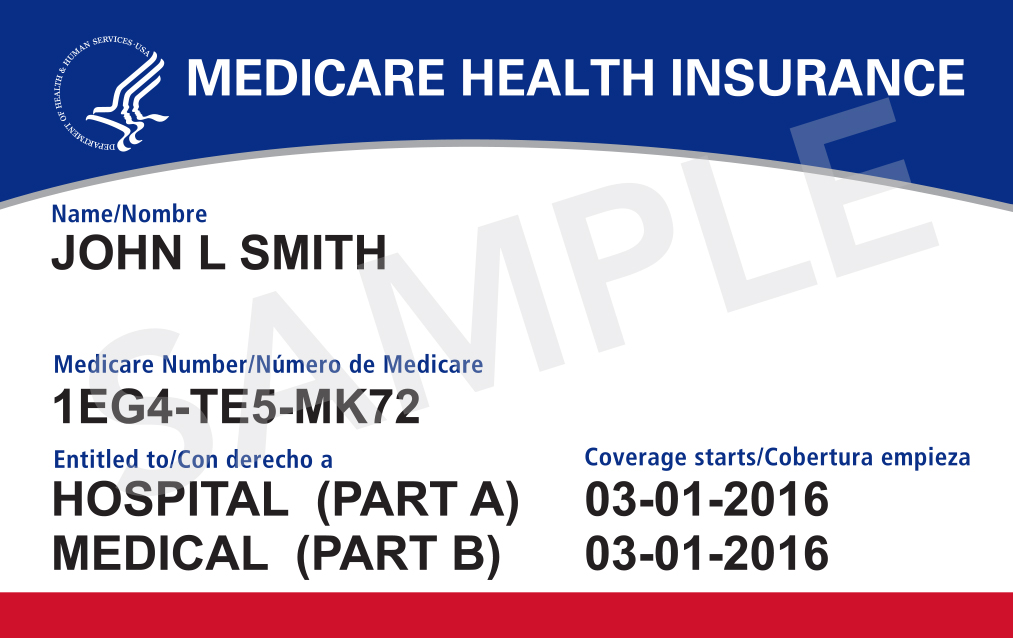
If you are 65 or getting close to it in North Texas, your mailbox and your TV already know. The Medicare Advantage pitches are relentless: zero-dollar premiums, dental and vision thrown in, gym memberships, grocery cards. Original Medicare does not advertise, so the argument can feel one-sided. Before this fall’s enrollment season rolls around, it is worth understanding what you actually trade when you swap one for the other, because the differences show up not in the brochure but in the waiting room.
Neither option is a scam and neither is automatically right. They are two genuinely different deals, and the federal government’s own side-by-side comparison is the honest starting point. Here is the plain-English version, with the Texas specifics filled in.
The network question comes first
With Original Medicare, you can see any doctor or hospital in the United States that takes Medicare, no network, no service area. Snowbird months in the Hill Country, a specialist in Houston, a grandkid visit in Denver: coverage travels with you.
A Medicare Advantage plan is different. In most cases you use the doctors and hospitals in that plan’s network and service area, and the network is the product. A DFW Advantage plan may include one hospital system and not another, and networks can change from year to year even if you stay in the same plan. Before you are drawn in by the extras, take the plan’s provider directory and check your actual doctors, your preferred hospital, and any specialist you count on. That single chore predicts your satisfaction better than any premium number.
Referrals, prior approval and the out-of-pocket cap
Under Original Medicare you generally do not need a referral to see a specialist. Many Advantage plans require one, and plans can also require prior authorization before they cover certain services. Each plan sets its own rules, which is why two neighbors in Arlington with “Medicare Advantage” can have very different experiences.
Advantage plans do carry one structural benefit that surprises people: an annual limit on what you pay out of pocket for covered in-network care. Original Medicare has no such cap. There is no ceiling on a year’s deductibles and coinsurance unless you add other coverage, such as a Medigap supplement policy, employer retiree coverage or Medicaid. That is the real trade at the center of this decision: Original Medicare buys freedom of choice but unlimited exposure unless you pair it with Medigap, while Advantage caps your exposure but manages your care.
The extras are real, and so is the fine print
Advantage plans may cover things Original Medicare does not, such as routine vision, hearing and dental. For some households those benefits carry genuine value. Just read what the benefit actually is: an allowance, a network of participating dentists, a cap per year. “Includes dental” can mean cleanings only. The extras are the frosting; the network and the rules are the cake.
The switch-back rules are the part nobody advertises
Here is the piece that deserves more airtime in every one of those commercials. You cannot use a Medigap policy with a Medicare Advantage plan. And if you leave Original Medicare plus Medigap for an Advantage plan, getting the Medigap policy back later is not guaranteed. Outside of specific protected situations, Medigap insurers in most states, Texas included, can use medical underwriting: they can charge you more or turn you down based on your health.
Federal rules carve out guaranteed issue protections, including a trial right for people who joined a Medicare Advantage plan when they were first eligible for Medicare and decide within their first 12 months to return to Original Medicare. If that is you, you have special rights to buy certain Medigap policies. Past that window, the door can narrow considerably. In practical terms: the move from Original-plus-Medigap to Advantage is easy to make and can be hard to unmake, so make it deliberately, not because a TV ad and a grocery card made it sound free.
When you can actually change your mind
Medicare runs on fixed windows. Open Enrollment each fall, October 15 through December 7, is when anyone can switch between Original Medicare and Advantage or change plans for the following year. People already in an Advantage plan get one more chance early in the year, the Medicare Advantage Open Enrollment Period from January 1 through March 31, to switch to a different Advantage plan or drop back to Original Medicare. Outside those windows you generally need a special circumstance, like moving out of your plan’s service area.
Free, unbiased help exists in Texas
You do not have to sort this out from a stack of glossy mailers, and you do not have to rely on someone earning a commission. Texas runs the Health Information, Counseling and Advocacy Program, the state’s arm of the federal SHIP network, with trained benefits counselors who help people compare options at no charge. Call 800-252-9240, or start at the Texas Health and Human Services Medicare page. Pair that with Medicare’s own plan finder and you can see every Advantage plan sold in Dallas, Tarrant, Collin or Denton counties with its network, drug coverage and costs laid out.
The reality check, then: Advantage is a managed trade with a cost cap and extras, Original is open access with unlimited exposure unless you supplement it, and the switch back is the step with a catch. Decide with your own doctors’ names in front of you, and let the commercials play to someone else.
This article was produced with AI assistance and reviewed by a human editor. Figures are linked to their primary sources; where a claim could not be verified from the public record, we say so.
Leave a Reply