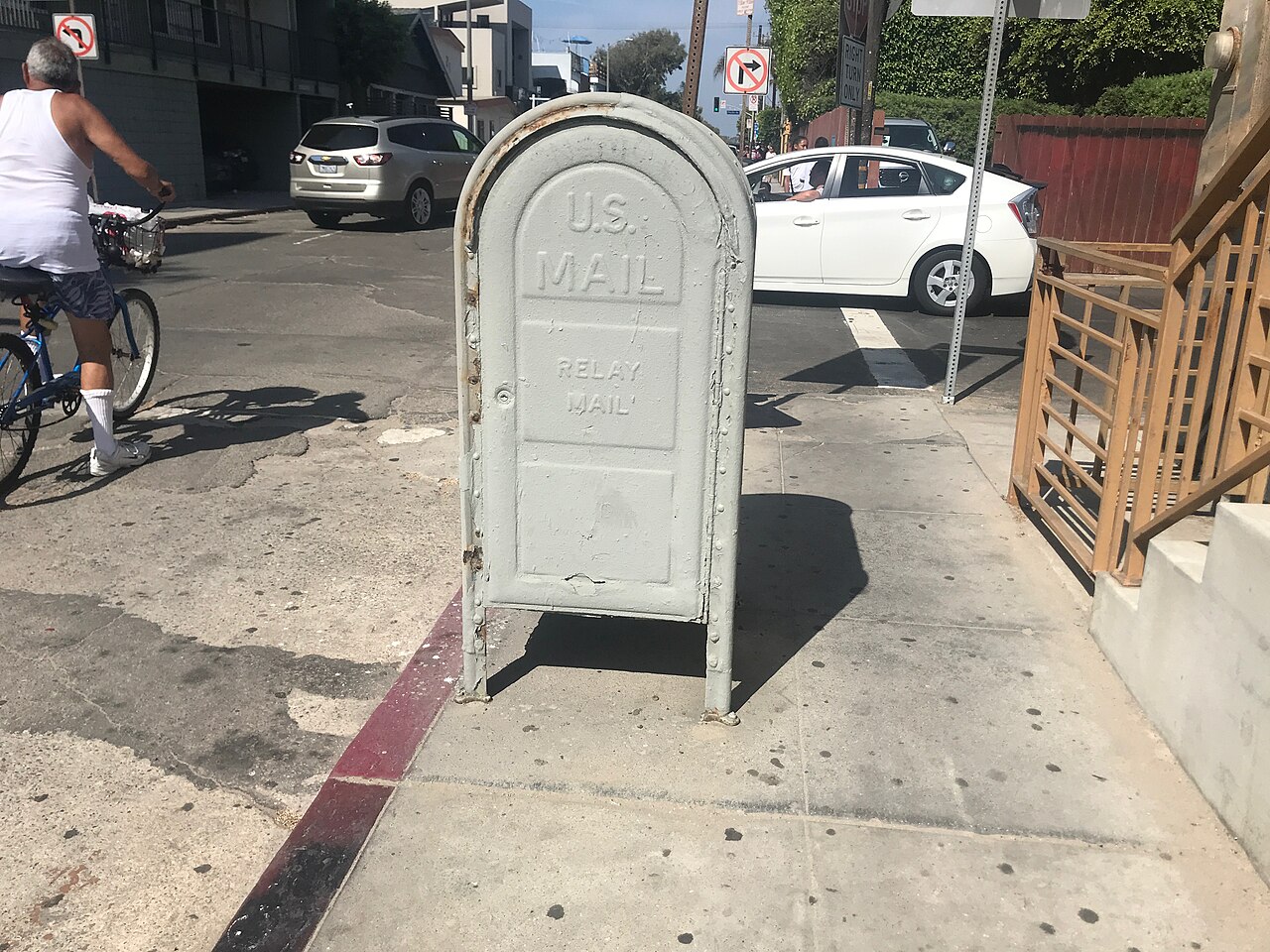
Plenty of North Texans still pay a few bills the old way: write the check at the kitchen table, seal the envelope, raise the little red flag on the mailbox or drop it in the blue box outside the post office on Buckner or Camp Bowie. For most of a century that was as safe as money got. Lately it is a gamble, because a stolen envelope with a check inside is worth far more than whatever you wrote it for.
The crime is called check washing, and the U.S. Postal Inspection Service, the law enforcement arm of the Postal Service, describes it plainly: thieves steal checks from the mail, then use common household chemicals such as nail polish remover to erase the payee and the amount while preserving your original signature. Your $92 check to the water utility becomes a $4,900 check to a stranger, signed, as far as the bank can tell, by you. Here is how the theft happens and the short list of habits that make you a hard target.
How the checks get stolen
The washing is the easy part. The stealing comes first, and it happens a few ways. Thieves fish envelopes out of blue collection boxes, sometimes with stolen or counterfeit mailbox keys called arrow keys. They pull outgoing mail from home mailboxes, where a raised red flag advertises that something worth taking is inside. And they grab incoming mail too, since a check someone mailed to you washes just as well. The FBI, which tracks the fraud alongside postal inspectors, warned in 2025 that mail theft-related check fraud has been rising, with stolen checks sold openly in online marketplaces.
Once washed, the check may be cashed by a money mule, deposited by phone, or photographed and sold. Some crews keep your account and routing numbers to print fresh counterfeit checks later, which is why one stolen envelope can turn into months of trouble.
Mail smarter: the five habits that matter
The Postal Inspection Service’s prevention guidance boils down to shrinking the time your mail sits unattended.
1. Use the lobby, not the flag. Take outgoing checks inside the post office, or hand them to your carrier. If you use a blue collection box, drop the envelope before the last scheduled pickup of the day, never overnight or on a Sunday, when mail sits the longest.
2. Empty your mailbox daily. Never let mail sit overnight, and collect it as soon as you reasonably can after delivery. An overstuffed box is a target.
3. Write with a black gel pen. Gel ink bonds with the paper’s fibers and is far harder to wash than ballpoint ink. It is a two-dollar defense.
4. Put a hold on vacation mail. Before a trip, request USPS Hold Mail or have a trusted neighbor collect it daily. For anything important, consider Signature Confirmation so you know it arrived in the right hands.
5. Send fewer checks. The unwashable check is the one you never mailed. Utilities, appraisal districts, county tax offices and virtually every DFW city accept online payment now, and your bank’s own online bill pay mails checks drawn without your account details exposed in your handwriting.
Watch the account, not just the mailbox
Check your bank activity at least weekly, and open the images of cleared checks rather than skimming amounts. A washed check often clears at a number close enough to blend in. If a check you mailed has not been cashed after a couple of weeks, treat that as a yellow flag and ask the payee whether it arrived.
If a washed check clears your account
Move fast, in this order. Call your bank first and report the check as altered or forged; banks generally bear responsibility for paying an altered check, but your protection depends on prompt reporting, and each bank has its own affidavit process, so ask what deadline applies and get the dispute in writing. Close the compromised account and open a new one, because the thieves have your routing and account numbers regardless.
Then report the theft to the people who chase these crews: the U.S. Postal Inspection Service at uspis.gov/report or 877-876-2455. Your report is not paperwork for its own sake. Inspectors map thefts by collection box and route, and your envelope may be one pin on a much bigger case. Notify whoever you were paying so a late fee does not pile onto the fraud, and keep every document the bank gives you.
The habit shift, in one sentence
Treat a check in an envelope the way you would treat cash in an envelope, because to a thief that is exactly what it is. Mail it inside the post office, write it in gel ink, watch the account it draws on, and move the payments you can online. None of that costs more than a few minutes, and it takes you off the easiest-victim list entirely.
This article was produced with AI assistance and reviewed by a human editor. Figures are linked to their primary sources; where a claim could not be verified from the public record, we say so.
Leave a Reply