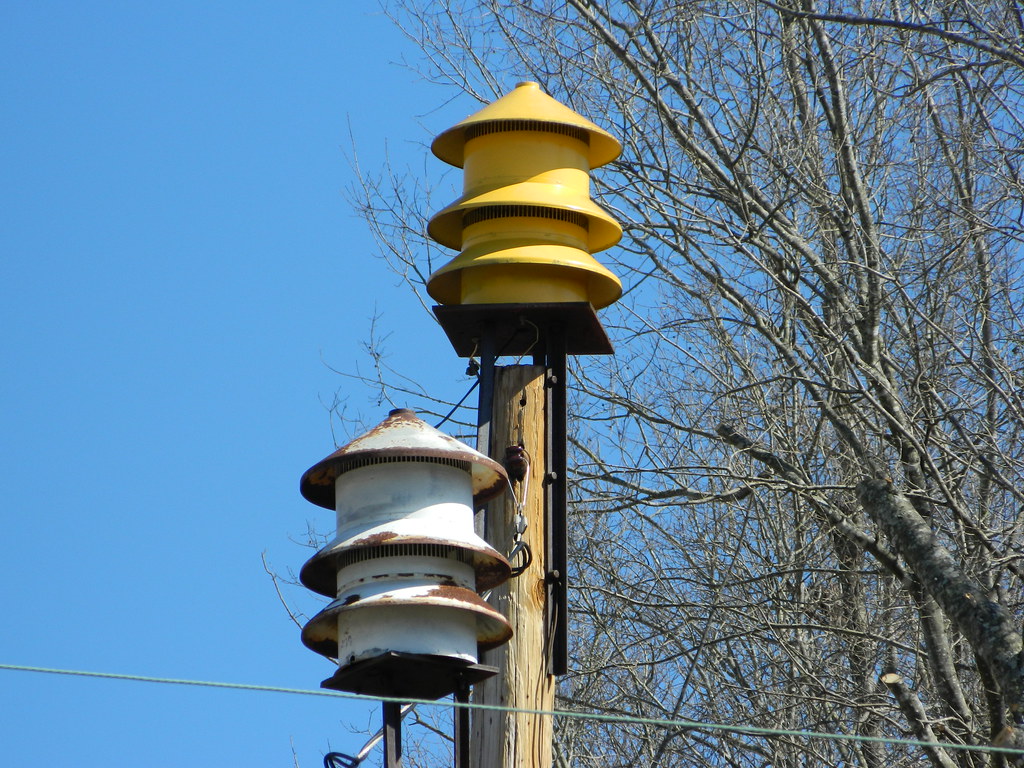
Every North Texan has had the argument. A spring squall line is bearing down, someone swears they heard the sirens, someone else heard nothing over the TV, and a third person is asking why the sirens didn’t wake them up during the last midnight storm. The argument has a factual answer, and it starts with the single most misunderstood fact in DFW severe weather: outdoor warning sirens were never designed to be heard indoors.
Once you accept that, the whole warning system makes sense. The sirens cover people at the ballfield, the trail and the backyard; your phone covers you in the kitchen and the bedroom. Here is how each layer works in Dallas-Fort Worth, and the ten minutes of setup that makes sure at least one of them always reaches you.
What makes Dallas sound the sirens
Dallas’s Outdoor Warning System is a network of more than 150 sirens run by the city’s Office of Emergency Management, and it is not triggered by rain or even most thunderstorms. The city activates it for the serious stuff: a tornado warning affecting the city, or a National Weather Service warning carrying winds of 70 mph or greater or hail around golf-ball size and up. The city tests the system on the first Wednesday of each month, which is why a calm noon siren on that day is nothing to act on.
Two important quirks. First, there is no all-clear signal; when the sound stops, it does not mean the danger has passed, only that the activation ended. Second, every city in the metro runs its own sirens on its own criteria (Fort Worth, Arlington, Plano, Garland and dozens of suburbs each make their own call), so hearing sirens across the creek in the next town over does not tell you what your own city decided. The rule that never fails: sirens mean go inside and get more information, from a broadcast or your phone, not from the window.
The alert that finds you indoors, with no signup
The workhorse for everyone indoors is the Wireless Emergency Alert, the jolting tone-and-vibration message your phone produces on its own. Through a system the National Weather Service explains at weather.gov/wrn/wea, warnings for the most dangerous events, tornado warnings among them, are pushed to cell towers in and around the warned area and broadcast to every capable phone there. No app, no registration, no charge, and it works on visitors’ phones too: drive into a warned area after the alert goes out and your phone picks it up on arrival.
Because NWS warnings are now issued for storm-based polygons rather than whole counties, that buzz means your location is in or near the threat area, which is exactly the precision the sirens cannot give you. One caution for iPhone and Android users alike: those emergency alerts can be toggled off in settings, and plenty of people did so during some noisy year and forgot. Tonight is a good night to check that tornado-level alerts are still on, and to think twice before silencing them.
The forecast source behind all of it
Every siren activation and every WEA in the metro traces back to one office: the National Weather Service in Fort Worth, which forecasts and warns for the whole DFW region. Its page at weather.gov/fwd shows live watches and warnings on a map, and its hazardous weather outlook each morning tells you whether today is a day to keep the phone charged and off silent. On genuinely dangerous days, checking that outlook at breakfast beats being startled at midnight.
A weather radio still earns its shelf space, too. The city’s own siren guidance recommends a NOAA All Hazards radio for indoor alerting; it is the layer that works when the power is out, the cell network is jammed and you are asleep.
The signups worth making before the next storm
On top of the automatic layers, both the city and county run opt-in alert systems that reach you by text, email or call. Dallas residents can register for DallasAlert, the city OEM’s mass-notification system, which also carries non-weather emergencies. Dallas County’s homeland security office keeps a rundown of government alert systems for residents. If you live in Tarrant, Collin or Denton counties, your city and county OEM pages offer their own equivalents; search your city’s name plus “emergency alerts” and spend the five minutes.
The household plan, in three lines
Put it on the fridge and the group chat. Sirens outside: get indoors, get information. Phone blares a tornado warning: interior room, lowest floor, away from windows, and do not drive off to look at the sky. First Wednesday at noon: that one is just the test.
This article was produced with AI assistance and reviewed by a human editor. Figures are linked to their primary sources; where a claim could not be verified from the public record, we say so.
Leave a Reply