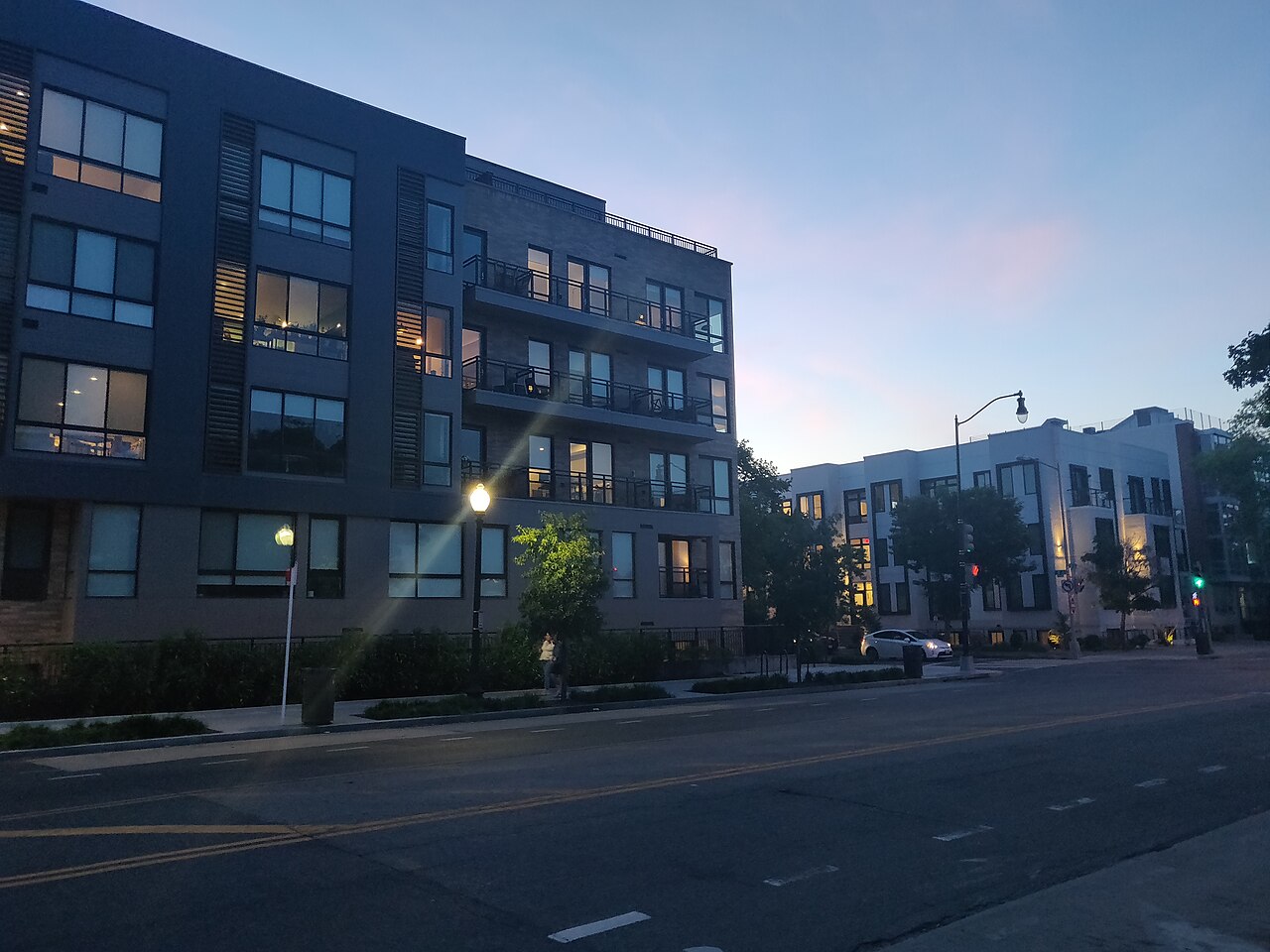
Somewhere on your block, there may be a house where the cars in the driveway change every weekend and the rolling suitcases outnumber the lawn mowers. Or maybe you own that house, and the rental income covers your own mortgage. Either way, if you have tried to figure out what Dallas actually requires of short-term rentals, you have discovered a genuinely confusing situation: the city passed sweeping rules three years ago, and courts have kept the city from enforcing them ever since.
Here is where things stand, what a short-term rental owner is still obligated to do right now, and what a frustrated neighbor can still do about a problem property while the lawyers fight it out.
What Dallas passed in 2023
In June 2023, the Dallas City Council adopted two companion measures. The first was a zoning change that treats short-term rentals as lodging and bars them from single-family residential districts, which is where a large share of the city’s listings operated. The second was a registration ordinance for the neighborhoods where they remained allowed, requiring annual registration and imposing operating standards on things like occupancy and conduct. The city’s Code Compliance short-term rental page and the Planning and Development department lay out both, defining a short-term rental as a residential property, or part of one, rented out for less than 30 days.
On paper, that combination is one of the strictest regimes in Texas. On the ground, it has never taken effect.
Why the rules are not being enforced
Owners and the Dallas Short-Term Rental Alliance sued before the ordinances kicked in, arguing the new rules unconstitutionally wiped out existing, lawful uses of their property. A state district court agreed the challenge was serious enough to freeze things, issuing a temporary injunction that blocks the city from enforcing both the zoning ban and the registration ordinance while the case is litigated. In 2025 the Fifth Court of Appeals in Dallas upheld that injunction, finding the owners were likely to succeed on their constitutional claims, and declined to rehear the matter. The city has since asked the Texas Supreme Court to step in, telling the court it wants enforcement authority in hand with next month’s World Cup matches coming to the region. As of this writing, the case is pending and the injunction stands.
The practical meaning is simple and strange: Dallas has short-term rental rules that exist but sleep. Nothing in the injunction shuts down short-term rentals, and nothing in it guarantees they stay legal either. If the city ultimately wins, the single-family ban could snap into force; if the owners win, the council likely goes back to the drawing board.
What owners still must do right now
The injunction covers the 2023 zoning and registration ordinances. It does not touch taxes, and this is where some hosts get themselves in trouble. Dallas has long required anyone renting rooms or homes for under 30 days to collect hotel occupancy tax from guests and remit it to the city every month, with the registration handled through the city’s HOT program; the city’s financial transparency page on short-term rentals spells out the obligation, and registering for it is free. The state’s separate 6 percent hotel occupancy tax applies as well, administered by the Texas Comptroller, though the major platforms collect the state tax on bookings they process. Platforms do not, as a rule, handle the city’s monthly filing for you.
Owners also remain subject to every ordinary code that applies to any Dallas house: minimum property standards, noise, litter, parking and nuisance rules. The lawsuit bought no one a pass on those.
What neighbors can do about a problem property
If the house next door has become a party venue, the injunction does not leave you without tools; it just changes which tools work. Complaints about noise, trash, junk vehicles, overgrown lots or property damage go through Dallas 311, by phone, app or web, which routes them to Code Compliance or, for active loud-party calls in progress, to 911 as a disturbance. Code officers can and do cite short-term rentals under the generally applicable ordinances, because those were never enjoined.
What the city cannot currently do is fine a rental for simply existing in a single-family neighborhood or for operating without the 2023 registration. Neighbors organizing around the issue should watch the case now before the Texas Supreme Court, since it will determine whether that changes.
The bigger picture for a growing city
Dallas is hardly alone; cities across Texas have wrestled with how far zoning power reaches into home rentals, and the courts’ answer in this case will echo well beyond the city limits, including in Fort Worth, Arlington and the suburbs writing their own rules. For now, the honest summary for both sides is the same. Owners: keep collecting and remitting hotel tax, keep the property up to code, and understand the ban could yet be revived. Neighbors: report specific problems through 311, because behavior is enforceable even when the registration rules are not. And everyone should check the city’s short-term rental pages before acting on secondhand information, because in this fight, the rules have changed more than once and may change again.
This article was produced with AI assistance and reviewed by a human editor. Figures are linked to their primary sources; where a claim could not be verified from the public record, we say so.

Leave a Reply